


How to Choose the Right LED Lighting for Your Space?
The selection of LED Lighting for your area is more than merely choosing light fixtures. For businesses, the correct lighting has a significant impact on productivity, safety, energy savings, and operational costs in the long run. Regardless of whether you are operating a warehouse, office, retail store, or an industrial facility, informed decision-making will guarantee improved performance and investment payback.
The collaboration with an expert LED Lighting manufacturer assists companies in analyzing technical needs, compliance levels, and scalability prospects. This guide is a description of how to select the appropriate LED Lighting solution, which relies on your space, operational requirements, and business objectives.
![How to Choose the Right LED Lighting for Your Space? 1]()
Understand Your Space and Lighting Requirements
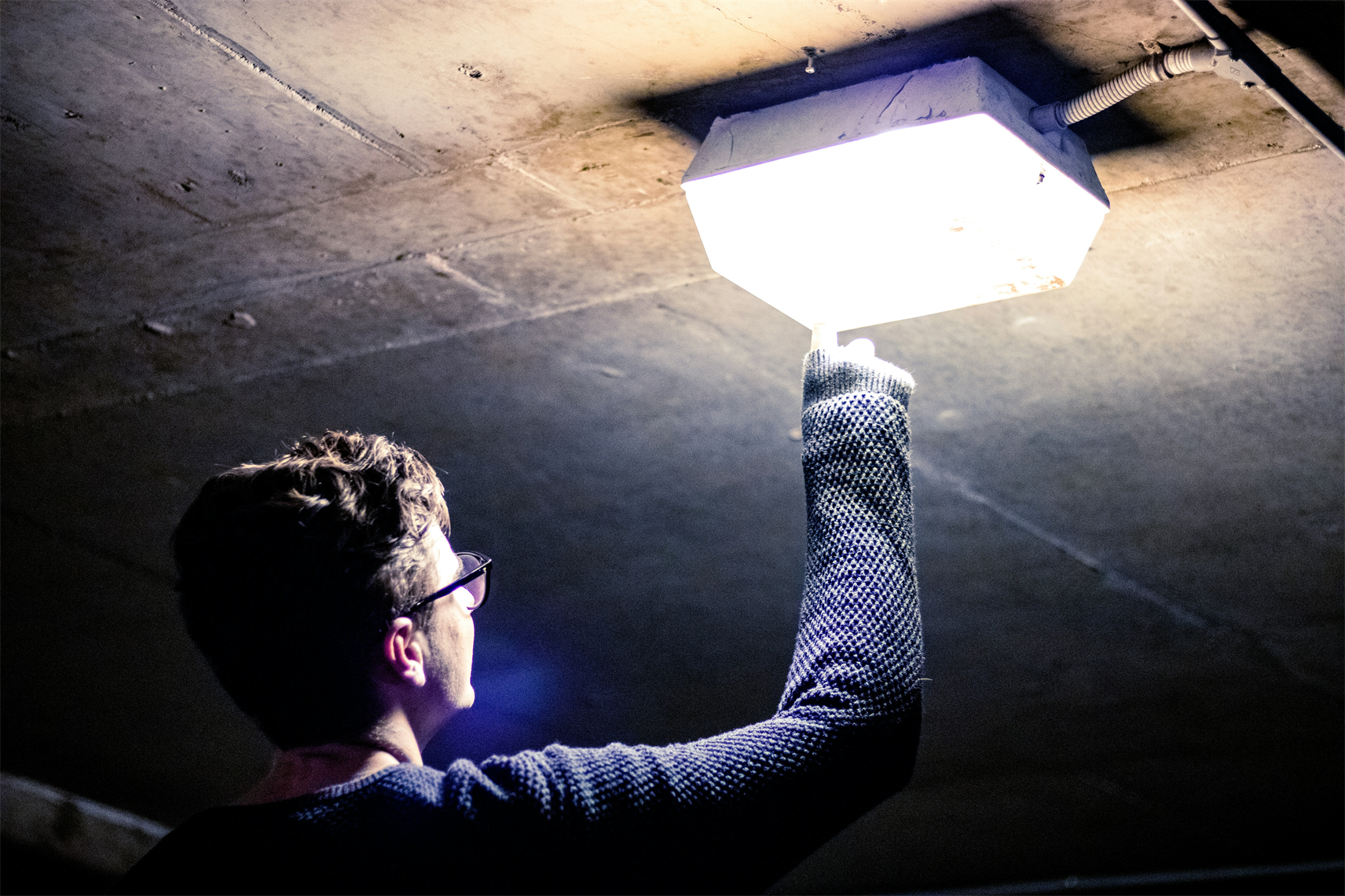
Different spaces require different lighting strategies. For example, offices prioritize comfort and reduced glare, while warehouses require higher brightness for visibility and safety.
Evaluate Brightness and Lumen Requirements
The lighting needs of every commercial space are different. The appropriate LED Lighting depends on the size of the area, the ceiling height, the nature of the activity, and the safety needs. Businesses must consider both environmental and functional factors before choosing fixtures.
The most frequent of the errors is the use of fixtures chosen by wattage rather than lumens. Lumens are used to measure the brightness in LED Lighting, whereas watts are used to measure energy consumption. The example is that warehouses and manufacturing spaces are frequently in need of high lumen output due to the necessity of operating them safely.
However, offices and boardrooms require moderate brightness to avoid eye strain. Retail stores, on the other hand, might require accent lighting to make the products obvious. An expert LED Lighting manufacturer can conduct lighting simulations to decide how many lumens are required and where fixtures shall be placed.
Choose the Right Color Temperature and CRI
Color temperature plays an important role in the experience and performance of space. Lower temperatures (5000K) produce a clear, alert atmosphere, whereas neutral or warm colors (3000K - 4000 K) provide a more comfortable one.
Moreover, CRI (Color Rendering Index) plays a very important role in areas where visual precision is important. High-CRI LED Lighting is especially important in:
- Retail environments
- Design studios
- Manufacturing quality control areas
Selecting the correct combination improves both productivity and user experience.
Consider Environmental Conditions
Considering the direct influence of the environment on the performance and lifespan of LEDs is important. In the case of industrial or outdoor areas, resistance and protection ratings are important. Common environmental challenges include:
- Dust-heavy production areas
- High-humidity environments
- Outdoor exposure to rain and temperature changes
A reputable LED Lighting company will advise fixtures with the right IP ratings and thermal control systems to be reliably used in the long run.
Compare Different Types of LED Lighting Solutions
After knowing your space requirements, the next thing is to compare available LED Lighting solutions. There are various types of fixtures, and the wrong selection might lead to poor performance and efficiency.
| Type of LED Lighting | Best For | Key Advantage |
|---|---|---|
| LED Panel Light | Offices, meeting rooms | Even light distribution |
| LED Highbay Light | Warehouses, factories | High lumen output for tall ceilings |
| LED Flood Light | Outdoor areas, parking lots | Wide beam coverage |
| LED Strip Lighting | Retail displays, accents | Flexible design applications |
Match Fixture Type to Ceiling Height
Ceiling height plays a major role in selecting LED Lighting.
- Low ceilings (under 12 feet): Panel lights or low-bay fixtures provide uniform lighting without glare.
- Medium ceilings (12–20 feet): Mid-range high bay fixtures ensure adequate brightness.
- High ceilings (20+ feet): High-lumen LED high bays are necessary for proper illumination.
The wrong choice of fixtures might lead to shadowing, uneven brightness, or unnecessary energy consumption.
Consider Beam Angle and Light Distribution
The beam angle can be used to control the distribution of light on a surface. Narrow beams direct light to particular regions, and wide beams are used to send the light in a wide direction. Indicatively, narrow beams are suitable for task lighting or emphasizing equipment.
In the meantime, wide beams are better suited to general warehouse lighting or open area lighting. Lighting layout planning guarantees equal coverage and avoids dark spots.
Plan for Energy Efficiency and Future Scalability
LED Lighting has been adopted due to its energy-saving advantage. Nevertheless, companies can achieve the highest savings through an effective mixture of efficient fixtures, smart planning, and scalable infrastructure.
Integrate Smart Lighting Controls
The current Lighting systems on LED lighting can be combined with modernized controls to enhance efficiency and automation. Some of the important control choices are daylight harvesting systems, occupancy sensors, dimming controls, and centralized lighting management systems.
When a smart-ready solution is selected with a renowned LED Lighting manufacturer, it is guaranteed that it will be compatible with the building management systems.
- Lower energy consumption: Automated controls reduce unnecessary usage in unoccupied areas.
- Improved operational efficiency: Centralized systems allow facility managers to monitor and adjust lighting remotely.
Evaluate Energy Efficiency Ratings
Not every LED Lighting product is as efficient. Lumens-per-watt ratings should be reviewed by businesses to be able to compare performance properly. Trusted manufacturers make certified performance data and testing documentation available to make purchasing decisions.
Think About Maintenance and Lifecycle
In spite of the fact that LED Lighting has a long life, the accessibility of its maintenance remains significant. Additional downtime and service costs can be minimized by modular designs, which have replaceable drivers.
When one chooses the products of a reliable LED Lighting manufacturer, they will have access to spare parts, technical support, and a long warranty. This is of greatest consideration in large facilities where failure of lights may interrupt operations.
FAQs
How do I choose the right LED lighting for a warehouse?
Ceiling height, needed lumen output, and beam angle should be considered to ensure that the brightness and coverage are appropriate.
What color temperature is best for office LED lighting?
The ideal light that should be used in an office is neutral white light of 4000K-5000K since it does not cause discomfort and will make a person alert. A correct LED Lighting solution must maintain a balance between productivity and visual comfort.
Are all LED lighting products energy efficient?
The majority of LED Lighting systems are the most efficient compared to traditional lighting, yet the efficiency level depends on the design and quality. Examining lumens-per-watt and certification of manufacturers can help to guarantee optimal savings.
Can LED lighting systems be upgraded in the future?
Yes, a lot of the current LED Lighting systems are made to be scalable and smart. Getting the products from a reputable LED Lighting manufacturer would mean easier upgrades and long-term flexibility.
Conclusion
The selection of appropriate LED lighting is a tactical move that directly affects efficiency, comfort, and operational expenses. On assessment of brightness, environment, scalability, and smart controls, businesses can develop a lighting system of the future.
Collaborating with a reputable LED lighting manufacturer will be one of the guaranteed guiding paths towards exquisite performance and security of the long-term worth of your space.