


What Are the Key Features of LED Linear Light?
The modern business and industrial areas require lighting systems that are more efficient, flexible, and appealing. The use of LED linear light systems has gained popularity due to their ability to provide homogeneous lighting, elegant seamless integration of design, and energy conservation in offices, retail outlets, warehouses, and architectural works.
Project managers, contractors, and facility owners should have the major features of these systems before they make the right procurement decisions. By measuring technical performance, flexibility in installations, and reliability of suppliers, it is possible to make the solution selected suitable to both functional needs and long-term business objectives.
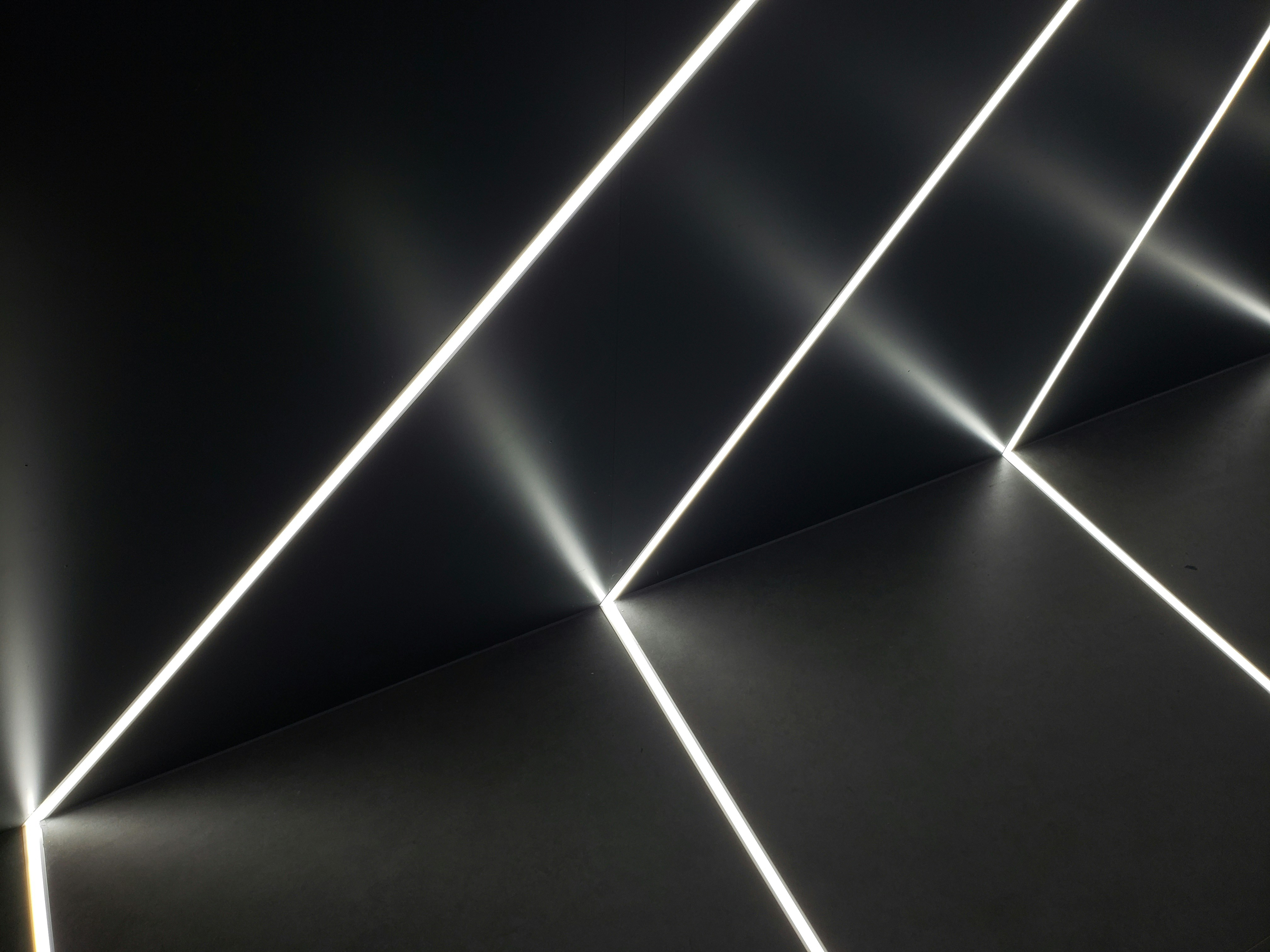
Structural Design and Installation Flexibility
The architectural and industrial fit of any given lighting system depends on its structural design. The LED linear light solutions are designed to provide the flexibility of a modular type, aesthetic uniformity, and easy installation.
Modular and Linkable Design
The modular structure of LED linear light systems is one of the most significant ones. Custom fixtures can also be easily interlocked together to form continuous lighting galleries down a wall or ceiling.
This is a flexible system that encourages personalized designs within massive business areas. Regardless of creating straight lines, geometrical shapes, or long light corridors, the system can be adjusted to various project needs without losing consistency.
Surface, Suspended, and Recessed Mounting Options
The modern building design is essential in terms of the flexibility of installation. These lighting systems are normally compatible with surface-mounted, suspended, and recessed positions. The two types of mountings have a distinct objective in architecture.
Suspended installations are well-suited to open office ceilings; recessed installations are integrated with minimalistic decor, and surface mounting is practical in the industrial world.
Slim Profile and Architectural Integration
The fixtures are able to blend into modern spaces due to a slim housing profile. The design has the benefit of improved aesthetics and high structural stability. Linear formats are also used in preference due to their ability to complement clean ceiling lines by architects. The uncomplicated look relates to professional and contemporary interior spaces.
Durable Housing Materials
Aluminum housings are of high quality and enhance heat dissipation as well as structural strength. The finishes are powder-coated, which improves the corrosion resistance and visual consistency. Common structural advantages include:
- Lightweight yet strong aluminum frames
- Anti-corrosion surface treatments
- Impact-resistant diffuser covers
These features ensure long-term reliability in commercial applications.
Easy Maintenance Access
Maintenance efficiency minimizes operational disruptions within business settings. It is common to have many designs with tool-free access to internal drivers and components. This makes the process of inspection and replacement easy. The shortened maintenance durations also lead to reduced long-term operation expenses.
Optical Performance and Energy Efficiency
Brightness is not the only aspect of lighting performance; it also incorporates uniformity, glare, and energy consumption. LED linear light systems have been designed to produce uniform light and reduce the cost of operation.
High Luminous Efficacy
Contemporary systems offer high lumens per watt, which allows facilities to produce the desired brightness using less power. Enhanced performance promotes sustainability goals and minimizes energy costs.
In large offices and warehouses with long hours of lighting, energy efficiency is of great concern. Reduction of wattage and high output generates quantifiable economic gains.
Uniform Light Distribution
One of the characteristics of linear lighting is uniform illumination. Diffusers are meant to disperse light uniformly on surfaces. Regular luminance decreases eye fatigue and increases workplace efficiency. It also enhances visual comfort within the retail and hospitality setups.
Glare Reduction and Visual Comfort
Glare may hurt employee performance and customer experience. High-tech optical diffusers are used to reduce excessive light. A professional LED linear light manufacturer carefully designs optics to match the brightness and comfort. This level of attention improves the quality of lighting in commercial areas.
Adjustable Color Temperature Options
Color temperature flexibility means that it can be customized according to the environmental type. A cool color can be used in offices and work zones, whereas a warmer color can be used in hospitality environments. The choice of color temperature makes it more versatile. Companies can adjust levels of light without changing the lights.
Smart Control Compatibility
The combination of smart control systems increases the efficiency of operations. Most of the systems use dimming, motion sensors, and remote-control platforms.
- Motion-based dimming: Reduces energy consumption in low-traffic areas.
- Daylight harvesting: Automatically adjusts output based on natural light levels.
- Centralized monitoring: Enables remote management of large installations.
These features support modern building automation strategies.
Quality Standards, Lifespan, and Supplier Reliability
The aspect of long-term reliability needs to be not just a design issue but also a manufacturing issue. The selection of a reliable manufacturer of LED linear lights will guarantee a constant level of quality, adherence, and post-sale services.
Thermal Management System
Heat management is very important in sustaining performance. Well-structured heat sinks avoid overheating and increase the life of LEDs. Lumen depreciation is minimized by efficient thermal control. This would guarantee constant brightness despite years of use.
Long Operational Lifespan
The right conditions will see quality systems up and running beyond 50,000 hours. This greatly decreases the frequency of replacement and maintenance costs. In the case of companies with more than one plant, longer life means certain budgeting. Less downtime also enhances continuity at the workplace.
Compliance and Certification
Certified manufacturing companies offer certified certifications, including CE and RoHS. These certifications verify adherence to international safety and environmental standards. Authenticated tests report boosts customer confidence. In commercial construction, regulatory compliance also facilitates approval of procedures.
Customization Capability
Various projects have different lengths required, wattages, and beam angles. An LED linear light maker with flexible solutions can program solutions according to the architectural drawings and light plans. Individualization guarantees the best fit to design. It also favors project-specific or brand-specific needs.
Supply Chain Stability and After-Sales Service
Regular delivery and excellent service play a crucial role in big business ventures. The suppliers who are reliable and cooperative have steady production times and availability of spare parts.
Technical consultation and warranty should be provided as after-sales support. Good service systems develop business relationships that are long-term. Common indicators of a trustworthy supplier include:
- Transparent warranty policies
- Clear production timelines
- Dedicated export or project support teams
These factors contribute to smooth project execution and long-term cooperation.
FAQs
How long does LED linear light typically last?
Good quality systems usually last more than 50, 000 hours, which is subject to usage and weather conditions.
Are these lighting systems suitable for industrial spaces?
Yes, they are usually used in warehouses, manufacturing plants, and business institutions since they are consistent in their production and have low power consumption.
Can brightness levels be adjusted?
Most systems have dimming and smart control systems and can be used to adjust the brightness in flexible ways.
How do I choose a reliable LED linear light manufacturer?
Assess certifications, production capacity, technical documentation, and after-sales services before making a buying decision.
Choosing the appropriate LED linear light system is not merely a question of light-generation, but of enhancing the efficiency of operations, comfort at the workplace, and the ability to manage the costs in the long term. Knowledge of structural design, optical performance, and supplier reliability would enable businesses to make informed procurement decisions to meet strategic targets.
Cooperation with a professional LED linear light manufacturer guarantees a high level of quality of products, compliance with regulations, and reliable service. Linear lighting is an effective resource in the contemporary business and industrial setting when it is adopted with the optimal mix of performance and collaboration.