


Common Mistakes to Avoid When Choosing LED Lighting
The newest trend is the adoption of LED Lighting in commercial buildings, warehouses, retail areas, offices, and industrial sites. Businesses prefer LED systems due to their energy efficiency, long lifespan, and low maintenance costs.
However, the worst outcome may occur when the wrong LED Lighting solution is chosen, which will result in increased costs of operation, ineffective performance, and eventual failure of the system.
To prevent typical buying errors, companies intending to upgrade or to install something different should avoid making any mistakes. Having a close collaboration with a professional LED Lighting manufacturer may contribute to the performance, compliance, and long-term value.
![Common Mistakes to Avoid When Choosing LED Lighting 1]()
Focusing Only on Price Instead of Total Value
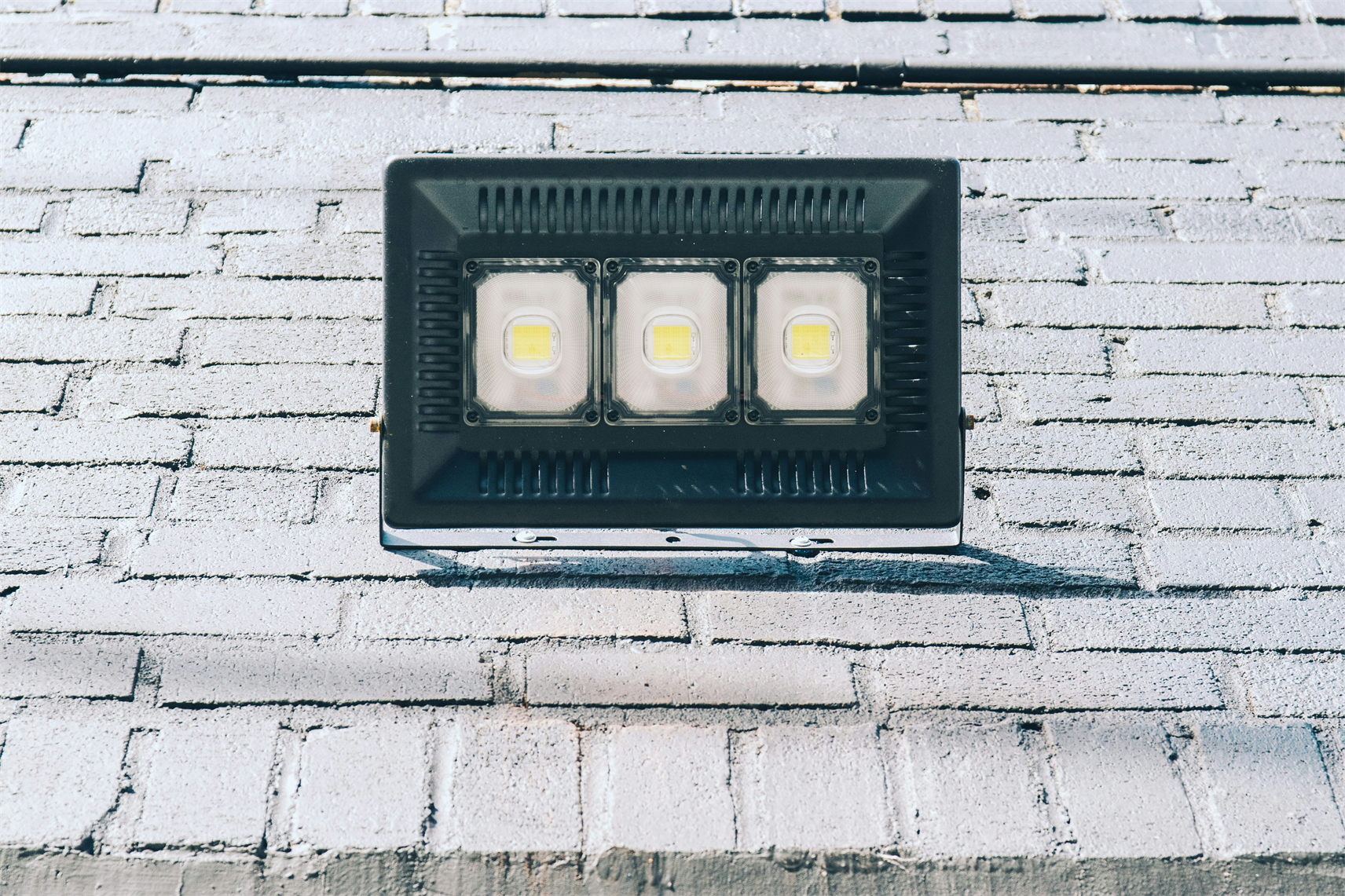
Most companies fall into the trap of selecting LED Lighting on the basis of initial cost. Budget is important; however, choosing the lowest cost alternative can always lead to increased long-term costs associated with reduced efficiency, reduced lifespan, or low build quality.
Ignoring Total Cost of Ownership
The initial purchase price is only one part of the investment. Total cost of ownership includes:
- Energy consumption over time
- Maintenance and replacement costs
- Downtime caused by lighting failures
- Labor costs for servicing fixtures
Poor-quality products can be replaced or repaired regularly, and this adds to the disruption of operations. An established LED Lighting manufacturer will offer ratings of efficiency, data on expected lifespan, and warranties that will go a long way in long-term planning.
Overlooking Warranty and Manufacturer Support
Warranty coverage is also another mistake that is made. Certain LED Lighting products are supplied with small warranties, which do not cover drivers or essential parts. Others might not have available technical support.
To commercial buyers, good manufacturer support is significant. To reduce the risk and to safeguard your investment, an efficient LED Lighting company must provide a transparent warranty, replacement guidelines, and technical support.
Choosing the Wrong Specifications for the Application
LED Lighting is not one-size-fits-all. The various settings demand different levels of brightness, colors, beam angles, and protection ratings. The improper choice of fixtures may lead to poor performance and non-compliance.
Selecting Incorrect Brightness (Lumens)
Most consumers continue to compare lighting products in terms of watts rather than lumens. In LED Lighting, wattage is used to determine the energy consumption, and lumens are used to determine the brightness.
Selecting fixtures that have low lumens may result in a dark workspace, and higher brightness may cause glare and discomfort. For example:
- Warehouses often require higher lumen output for safety and visibility.
- Offices need balanced lighting to reduce eye strain.
- Retail spaces may benefit from accent lighting to highlight products.
An experienced LED Lighting manufacturer will help in conducting some lighting calculations to know how many lumens to get.
Ignoring Color Temperature and CRI
Color temperature has an influence on the appearance of light in a space. Temperatures below 5000K make the color look bright, and it reminds one of daylight, whereas lower temperatures (3000K–4000K) are much softer and welcoming. The wrong selection of temperatures would affect the comfort of employees and the experience of customers.
There is also the Color Rendering Index (CRI), which identifies the accuracy of colors in the presence of light. High CRI LED Lighting is necessary in the retail or manufacturing quality control industries. Not taking into consideration, CRI may have an adverse influence on visual accuracy.
Not Considering Environmental Conditions
Lighting LED installed in factories or outside should be able to resist dust, dampness, vibration, or high temperatures. Otherwise, failure to select fixtures with appropriate IP rating and thermal protection may result in premature failures.
Business enterprises are advised to verify whether the manufacturer of LED Lighting has designed products to serve:
- High-humidity areas
- Outdoor installations
- Hazardous environments
- High-temperature industrial zones
When installing fixtures, it is very wise to select those structures that are designed to withstand the environment.
Overlooking Compatibility and Installation Factors
Even quality LED Lighting may fail to perform well when compatibility and installation requirements are not considered. Poor integration into existing systems, rather than the problem with the fixture itself, tends to generate many problems.
Failing to Check Electrical Compatibility
LED systems have drivers that control power. In case the driver does not fit in the electrical infrastructure of the building, flickering, voltage oscillations, or premature component breakdown can be experienced. Common compatibility issues include:
- Incorrect voltage range
- Mismatched dimming systems
- Incompatible control systems
- Poor power quality conditions
Consulting with a qualified LED Lighting manufacturer will help ensure that fixtures and drivers fit your electrical setup within the facility.
Ignoring Heat Management
Even though LED Lighting generates less heat compared to traditional lighting, it is still important to have proper thermal management. Low-quality fixtures often use inferior heat sinks or poor airflow designs, which shorten component lifespan.
Thermal stress may lead to the breaking of LED chips and drivers over time. Quality manufacturers can set up fixtures that have a high heat dissipation mechanism to ensure stable operation.
Poor Installation Planning
Poor planning on the installation can result in poor lighting distribution or too much shadow. Companies occasionally do not realize the significance of layout design, mounting height, and beam angle choice.
Neglecting Long-Term Scalability and Smart Integration
The use of smart building technologies is becoming more important in modern commercial facilities. The decision to select LED Lighting without future expansion/integration may create a constraint to flexibility in operation.
Not Planning for Smart Controls
Some upgrades to LED Lighting by many businesses do not include advanced controls like:
- Occupancy sensors
- Daylight harvesting systems
- Centralized lighting management
- Wireless control networks
Without these features, companies lose the chance to gain extra impressions of saving energy and control of their operations.
Overlooking Maintenance Accessibility
There are LED fixtures that are not easily serviced or upgraded. In big facilities, the accessibility of maintenance has a direct impact on the costs of operations. Poorly designed fixtures can be so bad that they need to be replaced as opposed to being repaired.
Ignoring Future Expansion Needs
With the increase in business lighting, Facilities can either grow, be extended, or their layouts can be adjusted. Choosing flexible LED Lighting systems enables easier scaling without the total change of infrastructure.
FAQs
What should I consider when choosing LED lighting for commercial use?
You must consider the lumen output, the color temperature, CRI, energy efficiency, and compatibility with the existing electrical systems.
Is cheaper LED lighting a good option for large facilities?
Less expensive LED Lighting can potentially lower upfront costs, but can, in most cases, have reduced life and increase maintenance costs.
Can LED lighting improve energy efficiency in industrial buildings?
Yes, LED Lighting with a suitable choice can save a lot of energy in comparison to traditional lighting systems.
Final Verdict
Choosing LED Lighting for commercial and industrial environments is a strategic investment. While the benefits of energy efficiency and reduced maintenance are well known, businesses must avoid common mistakes that undermine performance and reliability.
Focusing only on price, ignoring specifications, overlooking compatibility, and failing to plan for future expansion can result in higher operational costs and system inefficiencies. By partnering with a reputable LED Lighting manufacturer, businesses gain access to technical expertise, customized solutions, and long-term support.