


How to Maintain LED Lighting for Maximum Lifespan?
LED Lighting has been associated with long life and efficiency in terms of energy; hence it is used in commercial and industrial buildings. Nevertheless, the lack of performance and premature failures can be caused by inadequate maintenance practices.
In the case of businesses, it may lead to increased costs of running the business, unanticipated downtime, and decreased ROI due to poor care. Proper maintenance of LED Lighting guarantees stable brightness, steady operation, and a reduction in long-term costs. Moreover, working with a trusted LED Lighting manufacturer will also assist the facilities in adhering to recommended maintenance schedules and best practices.
![How to Maintain LED Lighting for Maximum Lifespan? 1]()
Perform Regular Cleaning and Visual Inspections
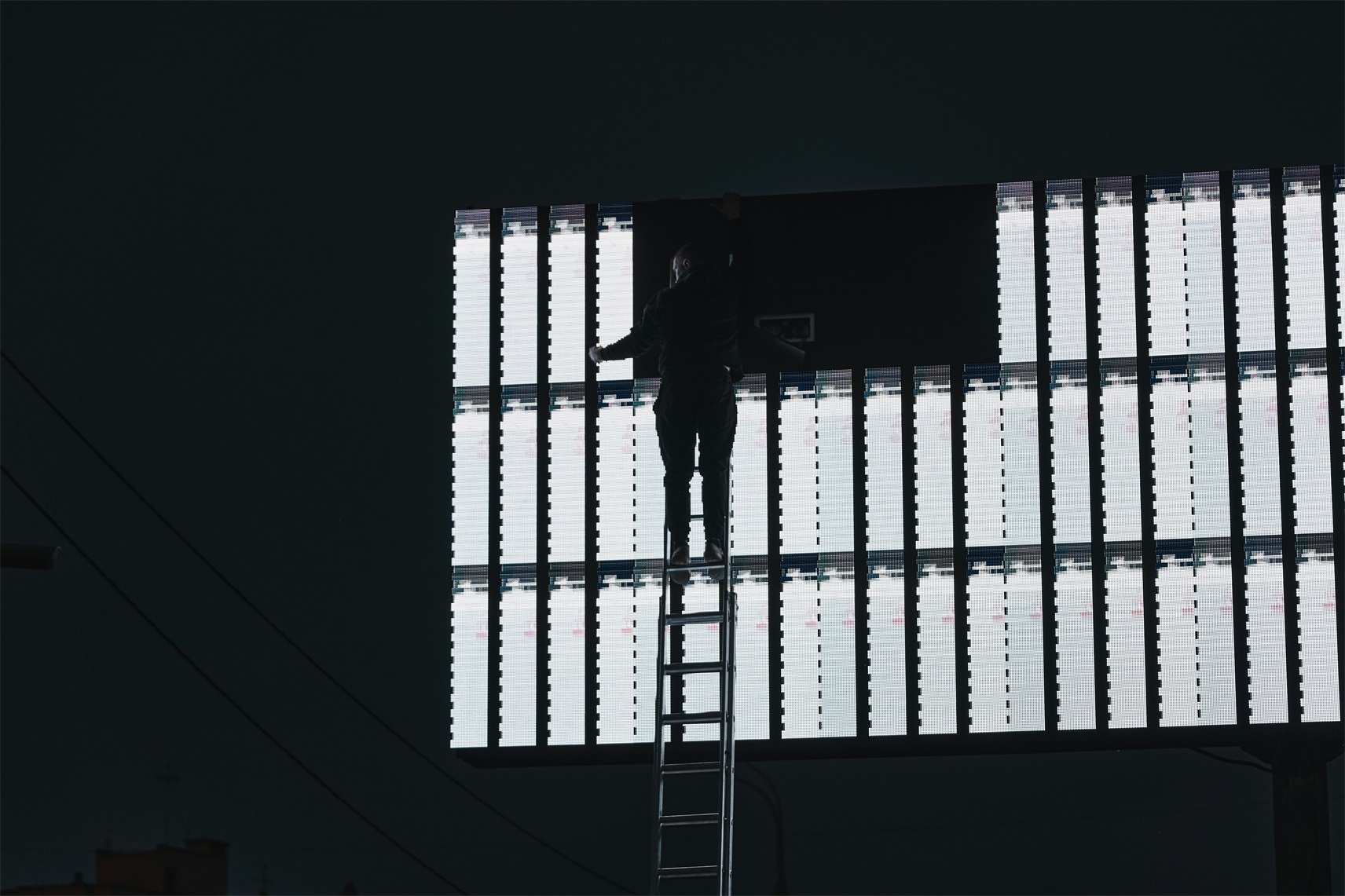
Although the LED Lighting does not require extensive maintenance as compared to its traditional counterparts, it will still have to be checked regularly. Light output can be decreased by dust, dirt, and other environmental contaminants, and heat dissipation will be affected in the long run.
Keep Fixtures Clean
In business and industry, accumulation occurs more rapidly than most businesses anticipate. Piled-up debris may block the airflow and decrease brightness. This is popular in warehouses, factories, and outdoor installations. Common cleaning priorities include:
- Removing dust from lenses and covers
- Clearing dirt around heat sinks
- Ensuring ventilation openings remain unobstructed
Routine cleaning improves thermal performance and maintains consistent lumen output.
Check for Early Warning Signs
Visual inspections help identify minor issues before they become major failures. Look for flickering, dimming, discoloration, or delayed startup. Prevention of these signs at the initial stages will save stress on drivers and internal parts. There are a lot of LED Lighting manufacturers offering inspection checklists depending on the type of fixtures.
Protect Electrical Components and Drivers
LED Lighting systems are very dependent on drivers and electrical components to be stable. One of the most common reasons behind the shortened life span of commercial installations is electrical instability.
Monitor Voltage Stability
The change in power levels may cause damage to the drivers and reduce the lifetime of the fixtures. Surge protection solutions should be considered in facilities that have an unstable supply of power. Critical electrical protection practices are:
- Installing surge protectors
- Verifying proper grounding
- Ensuring correct voltage compatibility
It is always a good idea to consult a veteran LED Lighting manufacturer to ensure that the specification of the drivers is consistent with the electrical infrastructure of the building.
Prevent Overheating
The threat of heat to LEDs has been one of the largest. Even though LEDs produce less heat compared to conventional lighting sources, overheating also decreases performance and durability.
Thermal stress can come about due to poor ventilation, enclosed fixtures, or high ambient temperatures. Ensuring proper airflow around fixtures protects internal components and maintains consistent output.
Optimize Environmental Conditions
LED lighting's lifespan depends highly on environmental factors. High humidity, acidic air, and extreme changes in temperature may deteriorate internal parts with time. Facilities are supposed to check on the ambient conditions and make sure that the fixtures are environmentally rated.
Sealed or IP-rated fixtures are used in harsh environments to ensure that they do not deteriorate prematurely and lose performance.
Follow a Preventive Maintenance Plan
A reactive approach is used by many businesses, where LED Lighting is fixed once it breaks down. Preventive maintenance, however, increases the life span and reduces interruptions.
Schedule Periodic Performance Checks
Planned strategy will guarantee uniform performance and will safeguard your investment. Monitoring light production and energy consumption with time assists in detecting slow performance.
When lumen levels decrease significantly, timely action can be taken to avoid the complete failure of a given fixture. Frequent testing is also relevant in the facilities with an extended working schedule, e.g., warehouses and production plants.
Replace Components Before Full Failure
Certain LED Lighting systems can be replaced in a modular manner, either of the drivers or individual components. Early replacement of the parts that are old before they fail lowers the downtime and ensures that there is lighting continuity.
By collaborating with a reputable LED Lighting manufacturer, one can access parts that could be replaced and technical support.
Maintain Spare Parts Inventory
Stocking key spare drivers, modules, and connectors minimizes downtime in case of unforeseen failures. Any delay in obtaining compatible parts might cause a hitch in the operations, particularly in a big facility.
It is best to coordinate with your LED Lighting manufacturer so that you are sure of the right specifications and can replace them quickly. An inventory plan will facilitate continuous lighting availability.
Keep Maintenance Records
Recording of inspections, cleaning schedules, and replacement of parts can assist the facility managers in monitoring the performance pattern. In the long run, this information can assist in improved budgeting and substitute scheduling. Clarity of maintenance records enhances the communication between the operations departments and manufacturers.
Train Maintenance Staff Properly
Even the latest LED Lighting systems have to be handled with knowledge. Education of the maintenance staff about proper cleaning, inspection regimes, and electrical safety minimizes accidental damage.
Reading manufacturer guidelines is a way of making sure the right procedures are taken. Trained personnel will be able to detect warning signs sooner and keep the lighting performance at the required level.
FAQs
How often should commercial LED lighting be maintained?
Most commercial LED Lighting systems are expected to be visually examined at regular intervals of a few months and washed at least two times annually. The facilities that have a high dust level or are heavily used may need more frequent maintenance.
What is the main cause of LED lighting failure?
The leading causes of untimely failure of LED Lighting systems are excessive heat and electrical instabilities. Surge protection and proper ventilation are important in increasing life expectancy.
Can LED lighting drivers be replaced instead of the whole fixture?
Yes, in most situations, particularly where the system is developed using modular parts. A good LED Lighting manufacturer should be able to ensure compatibility and give replacement drivers.
Does regular cleaning really extend LED lighting lifespan?
Yes, the elimination of dust and debris will enhance the cooling of heat and retain brightness. Cleaning well also minimizes thermal stress and enables LED Lighting to operate within and near its expected lifespan.
Final Thoughts
Proper maintenance of LED Lighting is vital to keep your investment safe and secure, as well as to deliver quality performance in business and industrial premises. Even such simple measures as regular cleaning, electricity protection, and timely checks can greatly prolong the life of your system.
Having a trusted LED Lighting manufacturer would mean having access to technical support, quality parts, and maintenance advice that fits your facility. By implementing the appropriate preventive strategy, companies can maximize their efficiency, cut down on downtime, and incur long-term cost reductions in operations.