


The Essential Guide to Buying Professional LED Tunnel Light
Precision engineering, regular illumination, and long-term reliability will be necessary in tunnel infrastructure to ensure road safety and compliance with regulations. When choosing the appropriate LED tunnel light, it is essential to pay close attention to performance standards, durability, efficiency, and the supplier's capabilities to ensure safe and cost-effective operation.
To the municipalities, transportation authorities, and contractors, the purchasing decision has a direct effect on the driver's visibility, frequency of maintenance, and long-term operational budget. The LED tunnel light should be specified professionally to provide constant luminance, extreme functionality, and to fit in the modern control systems.
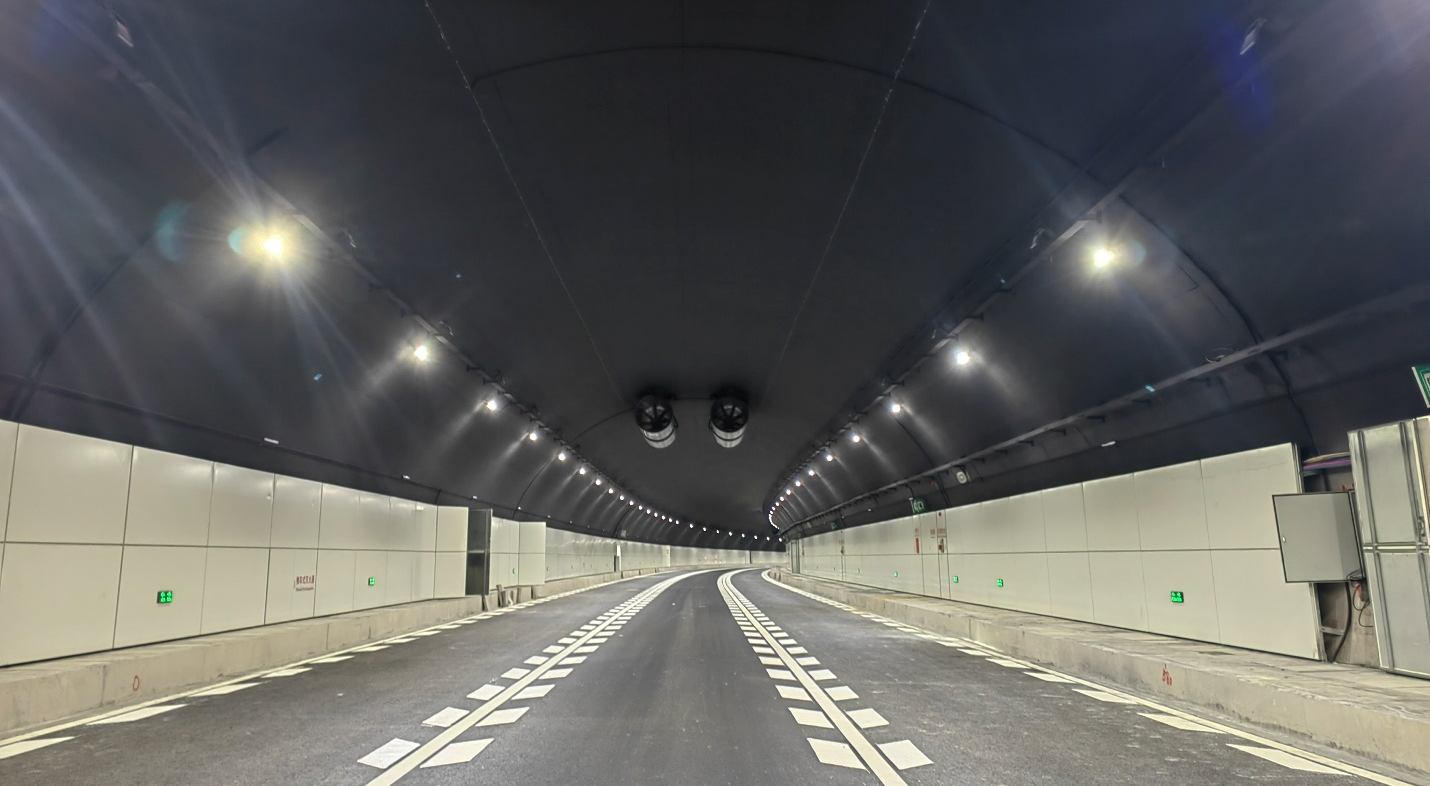
Understanding Technical and Safety Requirements
Lighting systems in tunnels should be of high luminance and meet safety requirements to facilitate adjustment by the drivers and avoid accidents. The buyers should have a clear idea of the zoning, glare, and conformity to regulations before they buy any LED tunnel light.
Color Temperature and Visibility Performance
The temperature of colors is an important factor in the perception and reaction time of drivers in tunnels. The use of neutral white light (usually 4000K-5000K) is often preferred as it increases the recognition of objects and increases the road surface contrast. The right choice of color temperature will provide the visual without being so bright, which is uncomfortable.
Illumination Zones and Luminance Levels
The areas of a tunnel are classified into entrance, threshold, transition, interior, and exit areas. The various zones will need varying brightness to allow the eyes of the drivers to adjust to the bright daylight and to the closed areas.
The LED tunnel light must have a high quality to allow smooth luminance between these areas. Photometric planning is a proper way to make sure that visual comfort is achieved, and the danger of sudden brightness contrasts is minimized.
Uniformity and Visual Adaptation
No dark spots and abrupt changes of intensity are made by even light distribution. Lack of uniformity can result in fatigue of the drivers and slow response time. Light design is also in professional lighting, where the ratios of brightness are maintained. This assists in keeping the drivers confident, especially in the high-speed tunnels.
Glare Control and Optical Precision
Glare may cause a significant reduction in visibility and safety factors. The LED tunnel light has advanced optical systems, meant to control light intensity and focus it on the road surfaces. Key glare control features include:
- Optimized beam angles for roadway focus
- Anti-glare lens and reflector systems
- Correct mounting alignment to prevent direct eye exposure
The glare reduction will increase the general visual comfort and the safety of operations in the long term.
Durability and Environmental Protection
The environment in the tunnels is exposing fixtures to dust, humidity, vibrations, and car emissions. The selection of a long-lasting LED tunnel light will guarantee long life and less interference in maintenance.
Vibration Resistance and Mechanical Stability
The high volume of traffic creates a constant vibration in the tunnels. A professionally designed feature must be made to resist mechanical stress, without becoming loose in its internal parts or fixing mechanism. High structural integrity minimizes the maintenance rate and eases the premature collapse of fixtures in high-traffic transportation routes.
Ingress Protection (IP Rating)
IP ratings are high, which prevents penetration of water and dust. A professional LED tunnel light will normally have a closed housing to avoid internal contamination. Poor sealing may cause premature driver breakdown, as well as low light. In the case of a tunnel, IP65 or more is normally suggested.
Thermal Management and Heat Dissipation
The continuous lighting systems produce a lot of heat. Modern designs of tunnel lights employ the use of heat sinks and optimization of airflow routes to cool down the heat. Lumens eliminate components, and without effective thermal control, components are also degraded. Thermal stability is a good assurance of uniform brightness with time.
Corrosion Resistance and Structural Strength
Exposure to exhaust gases and moisture increases corrosion risk. The structural integrity is increased by the usage of high-quality materials like die-cast aluminum housings and anti-corrosive coatings.
Common causes of premature fixture deterioration include,
- Moisture accumulation inside the housing
- Chemical exposure from vehicle emissions
- Low-grade protective surface treatments
Using corrosion-resistant fixtures helps save a lot of money that would otherwise be used to replace fixtures in the long run.
Energy Efficiency and Intelligent Control
Tunnel lighting should be energy efficient because it will be used 24 hours a day, and lifecycle cost management will be an important factor to consider. The latest LED tunnel light must have the ability to achieve high luminous efficacy, as well as adaptive control.
High Luminous Efficiency
The modern systems provide much greater lumens per watt than the sodium fixtures of the traditional system. This enables the facilities to have the desired levels of brightness and conserve energy. Increasing efficiency reduces the costs of operations. The initial investment can be justified in the course of time.
Adaptive Dimming Systems
The smart control systems automatically regulate the level of light depending on the external daylight and traffic conditions. This keeps it safe and, at the same time, maximizes power consumption in the following ways:
- Daylight-responsive adjustment: Automatically increases output at bright tunnel entrances and reduces it during low-light conditions.
- Traffic-based dimming: Lowers intensity during off-peak hours to conserve energy.
- Remote monitoring capability: Enables centralized control and fault detection.
These features improve operational efficiency without compromising visibility standards.
Long Lifespan and Maintenance Reduction
Maintenance in tunnels requires traffic management and safety coordination, making it costly and disruptive. Long-life LED tunnel light with long operational cycle lowers the number of services. Reduced replacements indicate reduced labor and fewer interruptions. That is why longevity is a crucial factor in purchase.
Installation Planning and Supplier Evaluation
Even the best lighting technology will underperform without proper installation and supplier support. Proper planning would make the LED tunnel light operate to the optimal limit of the structure and electrical limits.
Lighting Layout and Photometric Simulation
Simulations of lights are given in detail by professional suppliers before installation. These simulations identify the spacing of fixtures, mounting height, and the brightness distribution. Proper planning will prevent any violation of safety standards and over-lighting or under-lighting. Effective layout design maximizes efficiency as well as performance.
Project Timeline and Logistics Coordination
Tunnel projects on a large scale need to have close coordination among suppliers, contractors, and local authorities. The definite production plans, deliveries, and the sequence of installation are used to avoid time-wasting expenses.
When the supplier is a well-organized entity, the timeline of the lighting system delivery will be efficient and will become part of the overall timeline of infrastructure development.
Warranty, Technical Support, and Documentation
Good suppliers would have clear warranty conditions and specifications. Customers must verify the availability of spare parts and response time. Good after-sales services guarantee quick troubleshooting and reduced downtime. This level of service is essential for critical infrastructure projects.
FAQ
How many hours does a professional tunnel lighting system typically last?
Good-quality systems can go beyond 50,000 operating hours despite the circumstances of the environment and maintenance.
Is adaptive dimming necessary for tunnel applications?
Adaptive controls are not required, but they greatly decrease the rate of energy consumption in addition to increasing flexibility in operations.
What IP rating is recommended for tunnel lighting?
Most professional installations need at least IP65 to provide protection against dust and water penetration.
Can older tunnel systems be upgraded with LED technology?
In many cases, retrofitting is possible if structural compatibility and electrical capacity are verified in advance.
Choosing the right LED tunnel light is a strategic step that influences the aspects of safety, efficiency, and infrastructure costs in the long run. Through careful consideration of technical performance, durability, intelligent control systems, and supplier reliability, buyers will be able to have the light solutions that work well under the challenging conditions of tunnels.
The right planning and an informed choice would help you choose a professional LED tunnel light manufacturer offering long-lasting protection for drivers, operators, and transport systems.