


What is the Difference Between Flood light and LED Tunnel Light?
The selection of appropriate lighting solutions in infrastructure or outdoor projects can only be made possible based on understanding differences in design and performance that are application-specific. Although it might seem that floodlights and LED tunnel light systems are identical to each other, they are designed to operate in completely different situations and safety standards.
Floodlights are usually designed to require installation in open areas, but tunnel lighting systems are designed to comply with rigid road safety regulations. The knowledge of the differences in optics, durability, and compliance factors will assist the project planners in making informed choices and preventing expensive specification errors.
Design Purpose and Application Environment
Floodlights and tunnel lighting systems have various functional objectives. Their structural engineering responds to the environment where they are operating and the safety expectations they would have to satisfy.
General Application of Floodlights
Floodlights are mostly applied to outdoor lighting in sports fields, building facades, parking lots, and construction sites. Their main goal is to offer broad-scale illumination as opposed to exact roadway lighting.
Floodlights are designed to cover a wide beam spread and flexibility as they work in open-air settings. They are usually attached to poles or walls and moved to cover expansive areas.
Purpose-Built Design of Tunnel Lighting
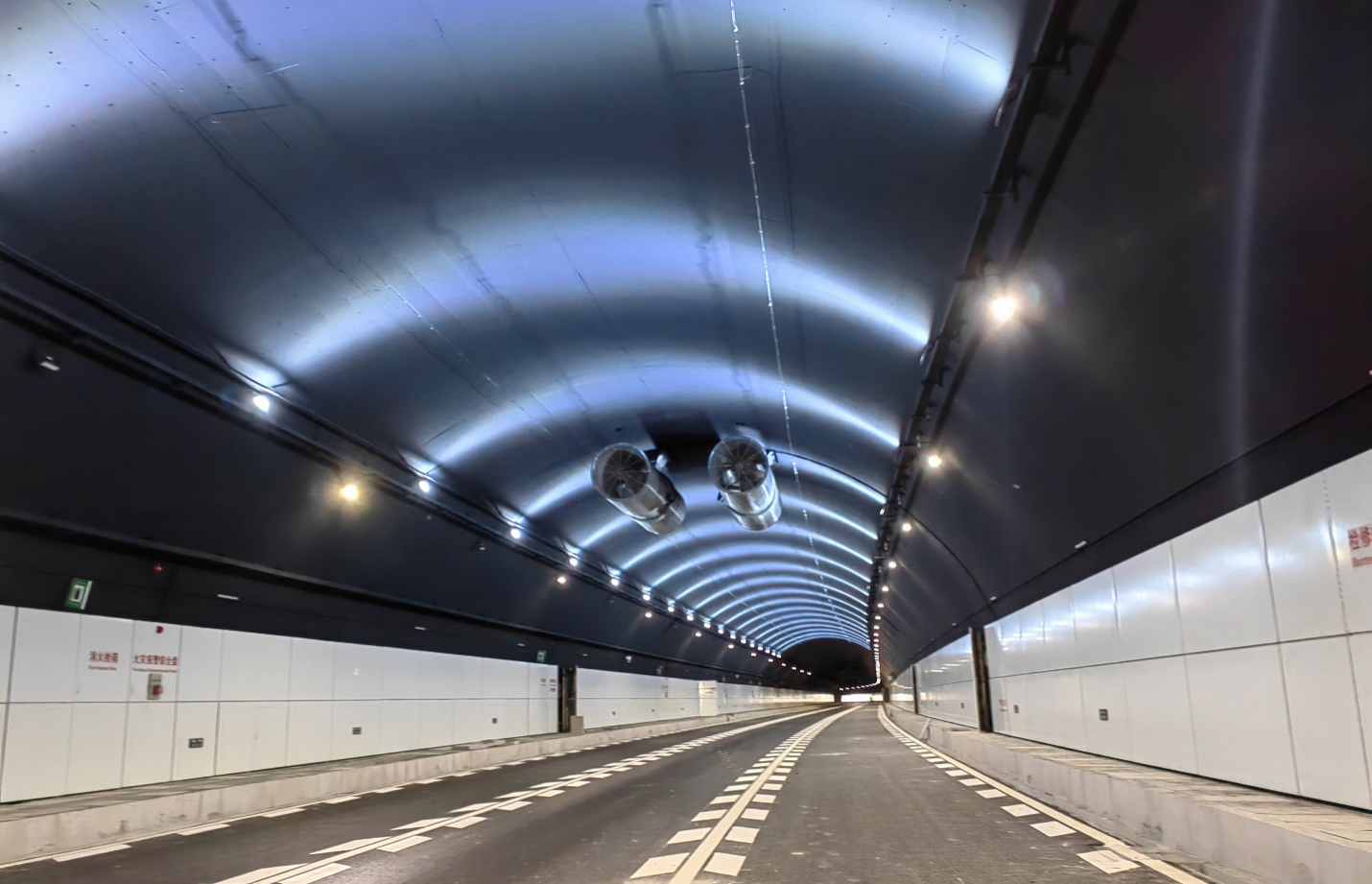
The LED tunnel light is especially designed to be used in sealed roadways where visual adjustment is crucial. In contrast to floodlights, tunnel fixtures have to deal with luminance changes in the entrance and suppress glare, and ensure even light distribution.
The lighting in the tunnels should be continuous and should comply with established safety standards. This causes the exactness of design to be much more significant than a general illumination of coverage.
Environmental Challenges and Structural Differences
Floodlights are exposed to weather conditions, including rain, wind, and sunlight. On the other hand, tunnel systems always experience vibration, wetness, dust, and the emission of vehicles in a confined area.
Due to these requirements, tunnel fixtures are commonly able to have reinforced housing and better sealing. The mechanical life conditions are normally more demanding than those of the normal flood light systems.
Thermal Management Requirements
The issue of thermal control is of great importance in long-term lighting performance. The tunnel systems work round-the-clock, thus leading to accumulation of heat in closed systems.
Cooler heat sinks and good design of drivers are used to ensure that the output is stable and that the components used will not burn off too quickly, so the brightness remains the same, and the maintenance rate is lower than when using other designs.
Installation Locations and Mounting Methods
Floodlights are normally pole-mounted or surface-mounted and have adjustable brackets. They are also easy to install and adaptable. Tunnel lighting systems need to be embedded into structural concrete surroundings in ceilings or walls. The mounting should consider the issue of vibration, maintenance accessibility, and beam precision.
Technical Performance and Optical Differences
Both lighting types are based on the use of LED technology, but their optical system and the level of performance differ greatly. These differences directly affect visibility, energy efficiency, and long-term operational reliability.
Beam Distribution and Light Direction
The floodlights prefer wide beam angles to light up vast outdoor areas. Conversely, a tunnel light based on LED will have regulated beam optics to focus light on the road. There should not be too much spill light or glare in tunnel lighting. Controlled distribution makes the drivers have regular luminance without any discomfort in sight.
Brightness Control and Uniformity
Floodlights are generally custom-made to give maximum output in a wide area. Tunnel systems, however, need well-calculated light ratios in various tunnel areas. In tunnels, uniformity is the key that will eliminate unexpected contrast variations. This is a regulated light design that helps in driver eye adaptation and reaction time.
Energy Consumption and Operational Hours
Floodlights are normally applied on occasions like at night events or planned activities. Tunnel lighting systems are 24-hour, and energy efficiency is a long-term cost consideration. Continuous operation implies that energy savings are multiplied many times as time goes by. This renders the smart dimming system more beneficial in tunnels.
Compliance and Safety Standards
Ground Floodlights mostly meet the regular electrical and outdoor safety standards. Tunnel lighting should meet roadway luminance standards and transportation authority standards.
A competent LED tunnel light company is knowledgeable of these regulatory structures and creates products in line with these structures. Compliance guarantees the ease of project approval and quality operation.
Photometric Planning and Simulation
Installation of professional tunnel lighting projects involves detailed photometric analysis before installation. Simulation reports confirm compliance with luminance ratios, glare limitation as well as uniformity.
Proper planning will guarantee that the performance of lighting can be up to the roadway safety requirements but prevent over-illumination, needless energy usage or require expensive post-installation adjustments.
Cost, Maintenance, and Supplier Considerations
The total cost of the lifecycle needs to be evaluated during budget planning, not just the initial price. The decision of what lighting system to use should be based on maintenance requirements in the long term and the reliability of suppliers.
Initial Investment vs. Lifecycle Cost
Floodlights can be less expensive in initial costs since they are less engineered. Tunnel systems can be more expensive to install because of complex optics and enhanced construction. Nevertheless, lifecycle cost analysis tends to support tunnel-specific systems in roadway projects. Lower maintenance rate and energy usage add up to savings in the long run.
Maintenance Requirements
Floodlights can be easily replaced and obtained. There is often a possibility of maintenance being done without significant disruption to the flow of traffic. The lighting maintenance in tunnels needs traffic control and measures. As such, durability and long life are more important in the use of tunnels. Common maintenance considerations include:
- Fixture lifespan and lumen depreciation
- Ease of component replacement
- Access complexity and labor costs
Selecting durable fixtures reduces downtime and operational risk.
Smart Controls and Adaptive Dimming
Basic timers or motion sensors can be incorporated into floodlights. Tunnel systems are frequently equipped with a complex adaptive dimming composed of daylight levels and traffic.
- Daylight-responsive control: Adjusts brightness at tunnel entrances depending on external light intensity.
- Traffic-based dimming: Reduces output during low-traffic periods.
- Centralized monitoring: Allows remote diagnostics and performance tracking.
These intelligent features significantly improve energy management in roadway systems.
Choosing the Right Manufacturer
Project planners must evaluate technical knowledge and documentation when choosing a supplier. The LED tunnel light manufacturer must have a good reputation, offer photometric reports, compliance certifications, and warranty disclosure.
Prior experience in transport infrastructure work is particularly important. Good technical support can guarantee performance and compliance with regulations.
FAQ
Can floodlights be used inside tunnels?
Although it might be achievable, floodlights are not engineered to meet serious tunnel luminance and glare standards, and so should not be used in controlled roadway projects.
Are tunnel lighting systems more energy efficient?
Yes, and this is due to tunnel systems being able to provide superior long-term energy operation in continuous operations in high-efficiency optics and adaptive controls.
Why is glare control more important in tunnels?
The luminance in areas that require transitioning of drivers into the dark parts of the day should be carefully controlled to sustain visibility and reaction time.
How do I choose a reliable LED tunnel light manufacturer?
Look for proven project experience, regulatory certifications, and comprehensive technical documentation.
There is a difference between floodlights and LED tunnel light systems that is explained here in detail to help decision-makers select the most appropriate to use in each project setting. Although both offer efficient light, tunnel lighting needs more accuracy, a higher level of compliance with regulations, and a higher level of durability so that it can be trustworthy and work in harsh road conditions.
To the infrastructure planners and contractors, the choice of the correct solution does not depend on the brightness but on the safety, efficiency, and long-term operations of the solution. Collaborating with a good LED tunnel light manufacturer will assist in making sure that projects meet the necessary standards and provide a stable and reliable light source and minimal maintenance expenses throughout the installation period.