


De essentiële gids voor het kopen van professionele LED-tunnelverlichting
Precisietechniek, regelmatige verlichting en betrouwbaarheid op lange termijn zijn essentieel voor de infrastructuur van tunnels om de verkeersveiligheid en naleving van de regelgeving te garanderen. Bij de keuze van de juiste LED-tunnelverlichting is het van cruciaal belang om nauwlettend te letten op prestatienormen, duurzaamheid, efficiëntie en de mogelijkheden van de leverancier om een veilige en kosteneffectieve werking te waarborgen.
Voor gemeenten, vervoersbedrijven en aannemers heeft de aankoopbeslissing een directe invloed op het zicht van de bestuurder, de onderhoudsfrequentie en het operationele budget op lange termijn. De LED-tunnelverlichting moet professioneel worden gespecificeerd om een constante lichtsterkte, maximale functionaliteit en compatibiliteit met moderne besturingssystemen te garanderen.
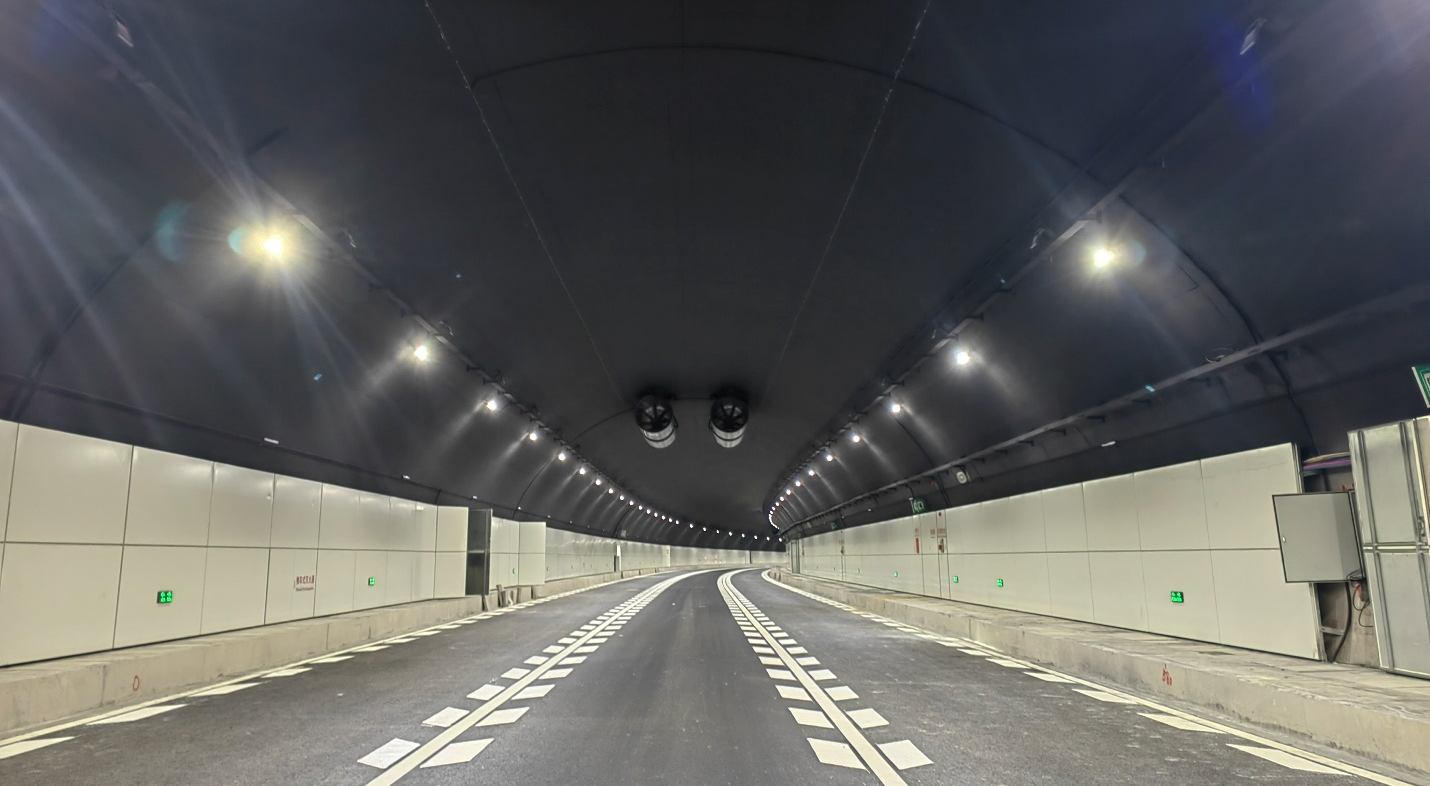
Inzicht in technische en veiligheidseisen
Verlichtingssystemen in tunnels moeten een hoge lichtopbrengst hebben en voldoen aan de veiligheidseisen om het voor bestuurders gemakkelijk te maken de verlichting aan te passen en ongelukken te voorkomen. Kopers moeten een duidelijk beeld hebben van de zonering, verblinding en naleving van de regelgeving voordat ze LED-tunnelverlichting aanschaffen.
Kleurtemperatuur en zichtbaarheidsprestaties
De kleurtemperatuur is een belangrijke factor voor de waarneming en reactietijd van bestuurders in tunnels. Het gebruik van neutraal wit licht (meestal 4000K-5000K) heeft vaak de voorkeur, omdat dit de herkenning van objecten verbetert en het contrast van het wegdek vergroot. De juiste kleurtemperatuur zorgt voor een goed zicht zonder dat het te fel en oncomfortabel is.
Verlichtingszones en helderheidsniveaus
De verschillende zones van een tunnel worden ingedeeld in ingangs-, drempel-, overgangs-, interieur- en uitgangszones. De verschillende zones hebben een variërende lichtsterkte nodig, zodat de ogen van de bestuurders zich kunnen aanpassen aan het felle daglicht en de afgesloten ruimtes.
De LED-tunnelverlichting moet van hoge kwaliteit zijn om een vloeiende lichtverdeling tussen de verschillende zones te garanderen. Fotometrische planning is een goede manier om visueel comfort te waarborgen en het risico op abrupte helderheidscontrasten te minimaliseren.
Uniformiteit en visuele aanpassing
Een gelijkmatige lichtverdeling voorkomt donkere plekken en abrupte veranderingen in intensiteit. Een gebrek aan uniformiteit kan leiden tot vermoeidheid bij de bestuurders en een trage reactietijd. Lichtontwerp speelt ook een belangrijke rol in professionele verlichting, waarbij de helderheidsverhoudingen constant worden gehouden. Dit draagt bij aan het zelfvertrouwen van de bestuurders, met name in hogesnelheidstunnels.
Verblindingbeheersing en optische precisie
Verblinding kan de zichtbaarheid en de veiligheid aanzienlijk verminderen. De LED-tunnelverlichting is voorzien van geavanceerde optische systemen die de lichtintensiteit regelen en op het wegdek focussen. Belangrijke functies voor het tegengaan van verblinding zijn onder andere:
- Geoptimaliseerde stralingshoeken voor focus op de weg
- Antireflecterende lens- en reflectorsystemen
- Correcte montage en uitlijning om direct oogcontact te voorkomen.
De vermindering van verblinding zal het algemene visuele comfort en de veiligheid van de werkzaamheden op de lange termijn verhogen.
Duurzaamheid en milieubescherming
In de tunnels worden armaturen blootgesteld aan stof, vocht, trillingen en uitlaatgassen van auto's. De keuze voor duurzame LED-tunnelverlichting garandeert een lange levensduur en minder onderhoud.
Trillingsbestendigheid en mechanische stabiliteit
Het hoge verkeersvolume zorgt voor constante trillingen in de tunnels. Een professioneel ontworpen constructie moet bestand zijn tegen mechanische belasting, zonder dat de interne onderdelen of het bevestigingsmechanisme losraken. Een hoge structurele integriteit minimaliseert de onderhoudsbehoefte en vermindert de kans op voortijdige instorting van constructies op drukke verkeersroutes.
Beschermingsklasse (IP-classificatie)
Een hoge IP-classificatie voorkomt dat water en stof binnendringen. Professionele LED-tunnelverlichting heeft doorgaans een gesloten behuizing om interne vervuiling te voorkomen. Een slechte afdichting kan leiden tot vroegtijdig defecten aan de driver en een lage lichtopbrengst. Voor tunnelverlichting wordt doorgaans een IP65-classificatie of hoger aanbevolen.
Thermisch beheer en warmteafvoer
Continuverlichtingssystemen produceren veel warmte. Moderne tunnelverlichtingssystemen maken gebruik van koelribben en geoptimaliseerde luchtstromen om de warmte af te voeren. Lichtopbrengsten leiden tot een afname van het aantal componenten, en zonder effectieve thermische regeling raken deze componenten ook beschadigd. Thermische stabiliteit is een goede garantie voor een constante helderheid over tijd.
Corrosiebestendigheid en structurele sterkte
Blootstelling aan uitlaatgassen en vocht verhoogt het risico op corrosie. De structurele integriteit wordt versterkt door het gebruik van hoogwaardige materialen zoals gegoten aluminium behuizingen en anticorrosieve coatings.
Veelvoorkomende oorzaken van voortijdige slijtage van armaturen zijn onder andere:
- Vochtophoping in de behuizing
- Blootstelling aan chemicaliën door uitlaatgassen van voertuigen
- Laagwaardige beschermende oppervlaktebehandelingen
Het gebruik van corrosiebestendige armaturen helpt om op de lange termijn veel geld te besparen dat anders nodig zou zijn om armaturen te vervangen.
Energie-efficiëntie en intelligente besturing
Tunnelverlichting moet energiezuinig zijn, omdat deze 24 uur per dag in gebruik is. Levenscycluskostenbeheer is daarom een belangrijke factor om rekening mee te houden. De nieuwste LED-tunnelverlichting moet een hoge lichtopbrengst en adaptieve regeling bieden.
Hoge lichtopbrengst
De moderne systemen leveren een veel hogere lichtopbrengst per watt dan de natriumarmaturen van het traditionele systeem. Hierdoor kunnen gebouwen de gewenste helderheid bereiken en tegelijkertijd energie besparen. De hogere efficiëntie verlaagt de operationele kosten. De initiële investering kan op de lange termijn worden terugverdiend.
Adaptieve dimsystemen
De slimme besturingssystemen regelen automatisch de lichtsterkte afhankelijk van het externe daglicht en de verkeersomstandigheden. Dit zorgt voor veiligheid en optimaliseert tegelijkertijd het energieverbruik op de volgende manieren:
- Daglichtafhankelijke aanpassing: Verhoogt automatisch de lichtopbrengst bij heldere tunnelingangen en verlaagt deze bij weinig licht.
- Verkeersafhankelijke dimming: Verlaagt de lichtintensiteit tijdens daluren om energie te besparen.
- Mogelijkheid tot bewaking op afstand: Maakt gecentraliseerde besturing en foutdetectie mogelijk.
Deze functies verbeteren de operationele efficiëntie zonder afbreuk te doen aan de zichtbaarheidsnormen.
Langere levensduur en minder onderhoud
Onderhoud in tunnels vereist verkeersmanagement en veiligheidscoördinatie, wat kostbaar en hinderlijk is. Duurzame LED-tunnelverlichting met een lange levensduur vermindert het aantal onderhoudsbeurten. Minder vervangingen betekenen minder arbeidskosten en minder onderbrekingen. Daarom is een lange levensduur een cruciale factor bij de aanschaf.
Installatieplanning en leveranciersbeoordeling
Zelfs de beste verlichtingstechnologie presteert ondermaats zonder een correcte installatie en ondersteuning van de leverancier. Een goede planning zorgt ervoor dat de LED-tunnelverlichting optimaal functioneert, rekening houdend met de beperkingen van de constructie en de elektrische installatie.
Verlichtingsopzet en fotometrische simulatie
Professionele leveranciers voeren vóór de installatie gedetailleerde lichtsimulaties uit. Deze simulaties bepalen de optimale afstand tussen de armaturen, de montagehoogte en de lichtverdeling. Een goede planning voorkomt overtredingen van veiligheidsnormen en over- of onderbelichting. Een effectief ontwerp van de lay-out maximaliseert zowel de efficiëntie als de prestaties.
Projectplanning en logistieke coördinatie
Bij grootschalige tunnelprojecten is nauwe coördinatie tussen leveranciers, aannemers en lokale autoriteiten essentieel. Definitieve productieplanning, leveringsschema's en de installatievolgorde worden gebruikt om tijdverspilling en kosten te voorkomen.
Wanneer de leverancier een goed georganiseerde entiteit is, zal de levertijd van het verlichtingssysteem efficiënt verlopen en onderdeel uitmaken van de algehele planning voor de infrastructuurontwikkeling.
Garantie, technische ondersteuning en documentatie
Goede leveranciers hanteren duidelijke garantievoorwaarden en specificaties. Klanten moeten de beschikbaarheid van reserveonderdelen en de reactietijd controleren. Goede after-sales service garandeert snelle probleemoplossing en minder uitvaltijd. Dit serviceniveau is essentieel voor kritieke infrastructuurprojecten.
Veelgestelde vragen
Hoeveel uur gaat een professioneel tunnelverlichtingssysteem doorgaans mee?
Systemen van goede kwaliteit kunnen, ongeacht de omgevingsomstandigheden en het onderhoud, meer dan 50.000 bedrijfsuren meegaan.
Is adaptieve dimming noodzakelijk voor tunneltoepassingen?
Adaptieve regelingen zijn niet noodzakelijk, maar ze verlagen het energieverbruik aanzienlijk en vergroten de flexibiliteit in de bedrijfsvoering.
Welke IP-waarde wordt aanbevolen voor tunnelverlichting?
De meeste professionele installaties hebben minimaal IP65 nodig om bescherming te bieden tegen stof en water.
Kunnen oudere tunnelsystemen worden gemoderniseerd met LED-technologie?
In veel gevallen is aanpassing achteraf mogelijk als de structurele compatibiliteit en de elektrische capaciteit vooraf zijn gecontroleerd.
De juiste LED-tunnelverlichting kiezen is een strategische stap die op de lange termijn van invloed is op de veiligheid, efficiëntie en infrastructuurkosten. Door zorgvuldig te kijken naar technische prestaties, duurzaamheid, intelligente besturingssystemen en de betrouwbaarheid van de leverancier, kunnen kopers verlichtingsoplossingen vinden die goed functioneren onder de uitdagende omstandigheden in tunnels.
Met een goede planning en een weloverwogen keuze kunt u een professional selecteren. Fabrikant van LED-tunnelverlichting Biedt langdurige bescherming voor chauffeurs, operators en transportsystemen.