


LED Street Light vs. Solar Street Light: Which Is Better?
When cities plan new road projects, they often have to decide between two popular types of street lighting. These include LED lights connected to the power grid and solar-powered street lights. Both have their own benefits and drawbacks.
Picking the right lighting depends on where the project is, the budget, how much maintenance you are ready for, and energy goals. Many cities work with LED street light manufacturer to check things like performance, durability, and cost before deciding. Here, we will explain the differences between solar and LED street lights to help businesses and governments make the best choice.
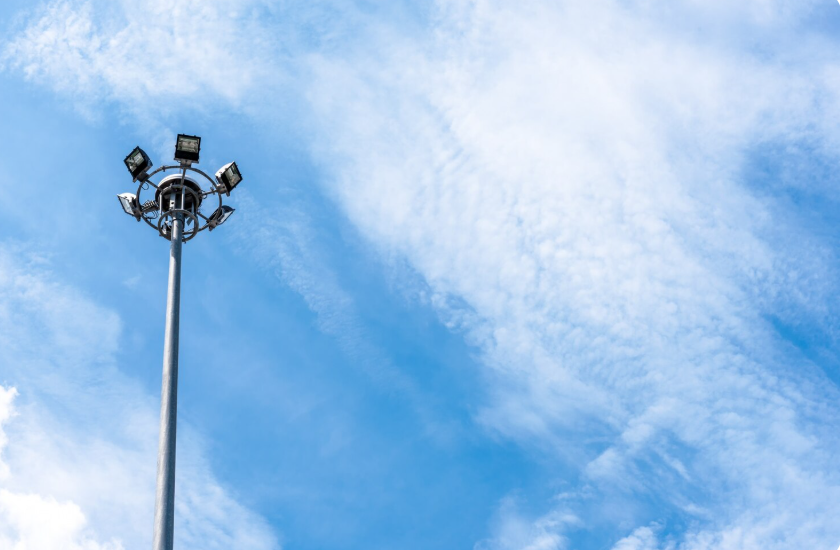
How Grid-Powered LED Street Lights Work?
Traditional LED street lights are plugged into the main electricity grid. They use energy-efficient LED bulbs that give bright and even light, perfect for streets, highways, and public places. These lights are common in cities where electricity is reliable.
Working with a professional LED street light manufacturer means you can pick the brightness, beam angle, and design that fits your needs. Because these lights get power straight from the grid, they stay bright and steady all night long.
They are great for urban areas where power lines are already in place. Plus, they can be upgraded with smart controls for things like dimming or remote monitoring, which is helpful for smart city projects.
How Solar Street Lights Work?
Solar street lights have panels that collect sunlight during the day. This energy is stored in batteries and used to power the lights at night. Since they don’t need to be connected to the grid, they are perfect for places without easy access to electricity.
These are often used in rural or remote areas where setting up power lines would be too costly. But the downside is that the battery life and how much sunlight there is affect how long and how bright the lights stay on.
Even though solar lights save energy and work independently, many big cities still prefer grid-powered LED lights because they offer stronger, more consistent light over time.
A Detailed Comparison of Solar and LED Street Lights
If you need strong, reliable lighting and have access to electricity, grid-powered LED lights are often the best choice. Solar street lights offer a smart and energy-saving alternative for remote spots without power. Here we will have a detailed comparison of solar and LED street lights to see which one is better.
Brightness and Lighting Quality
Good lighting is key to road safety. Grid-powered LED lights usually shine brighter and more steadily than most solar lights. This is because their power is not affected by clouds or weather.
Solar lights can get dimmer on cloudy or rainy days since the batteries don’t charge as much. On the other hand, LED street lights keep the same brightness no matter the weather.
For busy highways, intersections, and commercial areas, working with a skilled LED street light manufacturer can help make sure the light spreads evenly. It does not cause glare and will make roads safer for everyone.
Maintenance and How Long They Last
Planning for maintenance is important for any big lighting project. Grid-connected LED street lights usually last longer and need very little upkeep like just regular check-ups now and then.
Solar street lights depend on batteries. These don't last forever and need to be replaced every few years. If the battery fails, the light won’t work properly.
Cities get durable lights with good quality parts that handle heat well by choosing products from reliable LED street light manufacturers. This is making them more dependable over time compared to solar lights that rely on batteries.
Installation and Infrastructure Needs
The cost and effort to install solar and grid-powered LED street lights are different.
- Solar street lights don’t need underground wiring. So, they are quicker and cheaper to set up. This makes them a good choice for new areas or remote roads where there is no existing power supply.
- On the other hand, grid-powered LED street lights need trenches and electrical connections. In cities or developed areas, this is usually not a big problem because the infrastructure is already there.
We all know that solar lights seem easier to install. However, many cities still prefer LED street lights from trusted manufacturers for better performance. This is especially in busy and high-traffic areas.
Environmental Considerations
Both LED and solar street lights save more energy compared to old-fashioned lamps. LED street lights use much less electricity than traditional sodium lamps, which helps lower carbon emissions. This is especially when powered by clean energy sources.
Solar street lights run on renewable sunlight, so they reduce the need for fossil fuels. However, it is important to remember that making and disposing of batteries has an environmental impact, too.
Many cities work with trusted LED street light manufacturers to pick energy-efficient lights that support their environmental and sustainability goals.
Important Differences to Keep in Mind
When choosing between these two lighting options, it is important to think about your long-term goals and the local situation. Both types have their strengths. The best choice depends on the size of your project and where it is located.
- LED street lights: These give steady and bright light. They also work well for busy city roads.
- Solar street lights: These don’t need to be connected to electricity. So, they are great for remote places without power.
Smart City Compatibility
City lighting often includes smart features. Grid-connected LED street lights can link up with control systems that allow remote monitoring, dimming, and managing energy use easily.
Solar street lights have fewer smart options because of battery and control limits. For advanced smart city projects, LED street lights offer more flexibility for growth and upgrades.
Cities can build smart lighting networks that also support things like traffic monitoring and efficient energy use. This is possible by working with an experienced LED street light manufacturer.
Which Lighting Option Is Right for Your Project?
There is no one-size-fits-all answer. LED street lights can be better to use in some conditions over solar street lights and vice versa.
- In busy cities with power already set up, LED street lights are usually the best choice. They give bright, steady light and work well with smart systems.
- In rural or off-grid areas, solar street lights can be a good fit. However, it is important to consider their brightness limits and the need to maintain batteries.
Talking with a trusted LED street light manufacturer can help you compare features and pick the best option for your specific needs.
FAQs
Are LED street lights better than solar street lights?
LED street lights usually give brighter and more consistent light. Solar lights are great for places where there is no electricity connection.
Do LED street lights use a lot of electricity?
No, LED street lights save energy and use much less power than older types of street lamps.
Are solar street lights completely maintenance-free?
No, solar lights need their batteries replaced sometimes, and the solar panels and controls should be checked regularly.
Why should I work directly with an LED street light manufacturer?
Working with a professional manufacturer means better prices, helpful technical support, and a reliable supply. This is especially for big projects.
Final Thoughts
Both LED and solar street lights have their own advantages depending on where and how they are used. LED street lights from a trusted manufacturer usually offer better value over time for big city roads that need steady brightness and smart features. Taking a close look at the needs of your project will help you choose the right lighting system.