


Common LED Flood Light Problems and How to Fix Them
LED Flood Light is commonly used in outdoor lighting for security, stadiums, car parks, building exteriors, and landscape lighting as it is bright and consumes less energy. Nevertheless, similar to any other electrical appliance, LED flood lights may have performance problems over time.
Simple LED Flood Light problems and how to correct them can assist in contributing to longer lifespan, less downtime, and unnecessary replacement costs. This guide will look into the common problems, their causes, as well as the ways to resolve them, and have your lighting system from a reliable LED flood light manufacturer running smoothly.
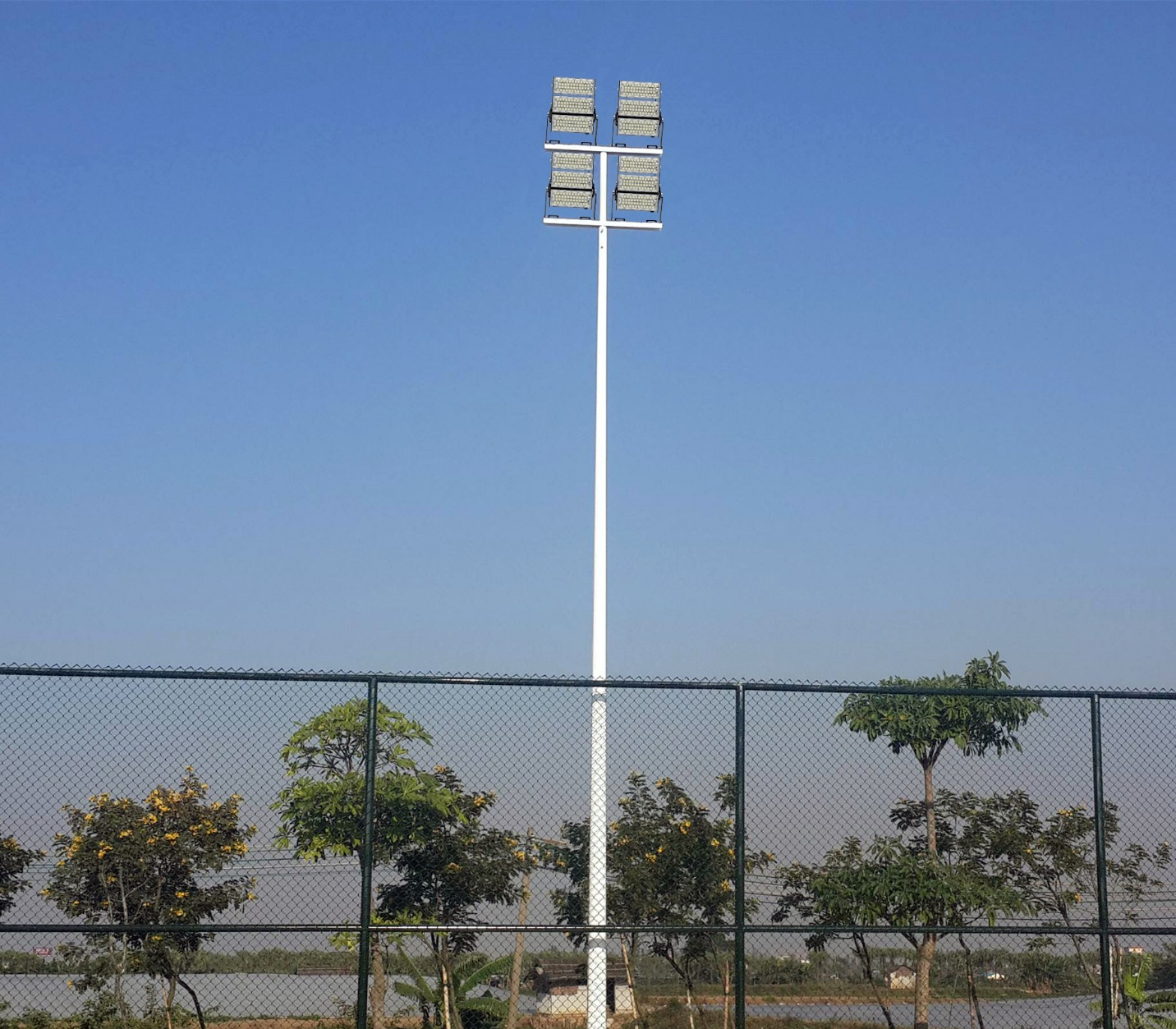
LED Flood Light Not Turning On
The most common problem with the LED Flood Light is that the light fails to power on. The reason behind this problem can be electrical faults, component faults, or installation faults.
Check the Power Supply
Always ensure that power is flowing to the unit before suspecting that the unit is faulty. Check the circuit breakers, wall switches, and wiring connections with the aim of ensuring that the electric flow is not interrupted. Loose wiring or a tripped breaker is often the simplest explanation and the easiest to fix.
Inspect the LED Driver
The LED driver controls the flow of current to the source of light, and if it fails, the flood light will not operate. Voltage spikes and overheating components of low quality can lead to damage to a driver. If the failure of the driver is confirmed during testing, substituting it with a suitable unit usually resumes functionality.
Examine Wiring Connections
The LED Flood Light may not work properly when improperly wired during the installation process. Look for:
- Loose terminal connections
- Incorrect polarity wiring
- Damaged insulation
Fixing these can fix the problems with a startup without necessarily having to change the whole fitting.
Flickering or Flashing LED Flood Light
Flickering is distracting as well as an indication of some electrical issues. Regular flashing has the ability to reduce the lifespan of the components and undermine the performance of the lighting.
Voltage Fluctuations
One of the major causes of flickering is unstable voltage. External installations are also prone to power interferences due to weather conditions or overloaded circuits. A voltage stabilizer/surge protector can be installed to avoid the same problems.
Incompatible Dimmers
Flickering can happen if the LED Flood Light is plugged into a dimmer switch that is not LED-compatible. Older dimmers that are used with incandescent bulbs do not control the LED current in the right way. The problem is normally removed by switching to an LED-compatible dimmer.
Driver Instability
Intermittent lighting behavior can be seen in the case of a broken or poor-quality LED driver. Drivers that are unstable show flashing or an increase/decrease in brightness at random. The door-to-door replacement of the driver with a better-quality unit is frequently a long-term solution.
LED Flood Light Overheating
Unlike traditional lighting, LEDs do not produce as much heat, but still, there is a risk of overheating under some circumstances. Too much heat will lower efficiency and decrease the life of the LED Flood Light.
Poor Heat Dissipation
LED flood lights are dependent on heat sinks to cool down thermal energy. When there is a limited amount of airflow or when the shipment is placed in a confined area, there is a possibility of accumulated heat. Make sure that the fitting is fixed in an open place with proper ventilation.
Environmental Factors
Another effect of high ambient temperatures is on performance, particularly in outdoor conditions that are exposed to direct sunlight. Excessive heat can deteriorate internal parts in the long term. Take into consideration flood lights that have higher operating temperatures in hot climates.
Excessive Operating Hours
Continuous operation without sufficient cooling might cause strain on the innermost parts. To reduce overheating risk:
- Use motion sensors or timers
- Avoid 24-hour continuous operation
- Ensure proper fixture spacing
Smart lighting controllers are also able to prevent overheating, and energy efficiency is enhanced.
Reduced Brightness or Uneven Illumination
Over time, some users notice that their LED Flood Light is dimming down, or its light output is uneven. This progressive fall could be related to a number of technical reasons.
LED Chip Degradation
LEDs have a long lifespan, but over time, the output of the light gradually decreases with the age of the chip. This is called lumen depreciation, and it is standard except that the process differs according to the quality of the product. Using better thermal management, flood lights can be used to reduce this deterioration.
Dirt and Debris Accumulation
Outdoor lights are vulnerable to dust, dirt, bugs, and rain. The debris that gets on the lens may decrease its brightness and may distort the light dispersion. The lens and the housing should be cleaned regularly to ensure that the illumination is good.
Moisture Ingress
If water gets into the fixture because of poorly sealed or broken gaskets, it can touch the internal pieces. Moisture may cause either corrosion, short-circuit, or dimness. Check the IP ratings and change damaged seals as soon as possible.
LED Flood Light Turning On and Off Automatically
Unexpected on-and-off cycling can be frustrating and may indicate sensor or electrical issues. It is necessary to find the root cause to avoid additional complications.
Faulty Motion Sensors
Numerous LED floodlight models have built-in motion sensors. In case the sensor is too sensitive or faulty, it can cause unstable functionality. The problem can be solved by reconfiguring sensitivity settings or changing the sensor.
Overheating Protection Activation
Some fixtures have built-in thermal control systems that turn off the light when the inside temperatures have reached unsafe levels. The light can automatically be switched on again after cooling. Repeated shutdowns can be avoided by either improving ventilation or minimizing operating time.
Power Supply Interruptions
Random switching can be a result of intermittent wiring faults or a faulty connection to power. Carefully inspect wiring integrity and secure all connections. If the problem continues, a qualified electrician should be consulted to give them additional advice.
Preventive Maintenance Tips for Long-Term Performance
Regular maintenance lowers the chances of LED Flood Light issues as well as increases the life expectancy. There are basic preventive measures that can save a lot in terms of repair expenses, including.
- Inspect wiring and mounting brackets every six months
- Clean lenses and housings periodically
- Check for signs of water intrusion
- Verify surge protection systems
Proactive care ensures consistent brightness, safety, and reliability over time.
FAQs
Unstable operation is often caused by loose wiring, overheating protection, or driver instability. Inspect connections and ensure proper ventilation.
Yes, if you have electrical knowledge and use a compatible driver. However, professional installation is recommended for safety.
When used properly, a high-quality LED Flood Light may have a lifespan of 30,000 to 100,000 hours.
The causes of progressive loss of brightness include luminance depreciation, dirt accumulation, and heat exposure.
LED flood lights are made to be sufficient in terms of durability and efficiency, yet frequent malfunctions may occur based on an error in installation, natural elements, or wear of the components. You can learn about the normal problems associated with LED Flood Lights and how to solve them before they degenerate into undue replacement.
Regular maintenance, adequate installation habits, and quality components are the main concerns to optimize life and ensure dependable outdoor lighting. Through proactive maintenance and prompt troubleshooting, your lighting system from a reliable LED flood light manufacturer can sustain years of performance with powerful and energy-efficient performance as it goes.