


What Is LED Lighting and How Does It Work?
Lighting has come a long way over the years. In the past, homes, offices, factories, and commercial buildings mostly used traditional bulbs like incandescent and fluorescent lights. However, LED lighting is now taking the lead. This is because it is smarter and more energy-efficient. More and more businesses, contractors, and project developers choose LED lights because they last longer, use less energy, and perform reliably.
If you are a distributor or contractor working with an LED lighting manufacturer, understanding how LED technology works is important. It can help you make smarter buying decisions. Here we will explain what LED lighting is and how it works. Why is it popular in commercial projects, and what to look for when choosing an LED lighting manufacturer?
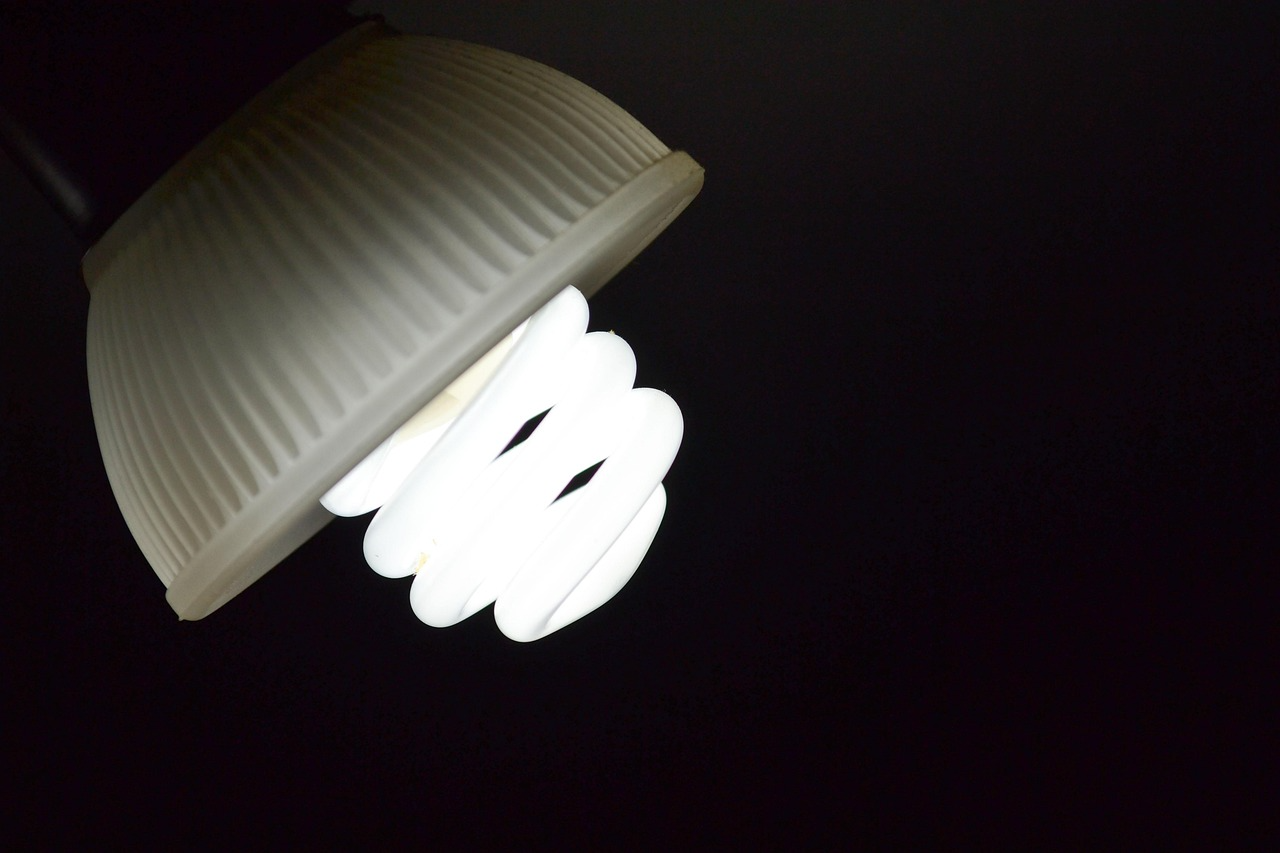
The Basics of LED Lighting
LED stands for Light Emitting Diode. LED lights use a tiny semiconductor device that produces light when electricity flows through it. This is unlike old bulbs that create light by heating a filament or passing electricity through gas. This process is called electroluminescence.
- Electricity moves through and causes electrons to join with holes inside a small chip. Energy is released as light when this happens.
- LEDs don't waste much energy as heat. They use far less electricity than incandescent or halogen bulbs. This makes LED lights perfect for commercial and industrial use.
- Knowing this helps explain why LED fixtures last longer and save more on energy bills for businesses buying from an LED lighting manufacturer.
How LED Lights Actually Make Light?
To understand LED lighting better, it helps to look inside the tiny diode. Each LED has a special material called a semiconductor. This is often made from things like gallium nitride. This material decides the color and brightness of the light.
Electrons move across the semiconductor when electricity flows through the LED. They release tiny packets of energy called photons. This is because they drop from a higher energy level to a lower one. These photons are what you see as light. The exact color of the light depends on the type of semiconductor and the energy difference inside it.
This process happens quickly and directly. LEDs create light almost instantly without getting very hot, unlike old bulbs that first produce heat and then light. This smart efficiency is why many commercial buyers prefer to work with experienced LED lighting manufacturers.
What Is Inside an LED Light Fixture?
People often focus just on the tiny diode chip when they think about LED lighting. However, a full LED light includes several important parts working together.
- The LED chip: This is the part that actually makes the light.
- The driver: It controls the electrical current and changes regular AC power into the DC power the LED needs.
- The heat sink: This keeps the temperature down and stops the light from overheating.
- Lens, reflector, cover: These help spread and shape the light evenly.
Good LED lighting manufacturers focus on all these parts. If the driver is not good or the heat sink does not work well, the light won't last as long or perform properly. How well each part is made is just as important as the LED chip itself for commercial projects.
Why LED Lighting Saves More Energy?
One of the biggest reasons businesses choose LED lighting is that it uses energy much more efficiently. Traditional incandescent bulbs waste a lot of electricity by turning it into heat instead of light. LEDs on the other hand turn most of the electricity directly into visible light.
This means lower electricity bills for places like warehouses, offices, stores, and factories. Over time, these savings add up. This is especially in buildings where lights stay on for many hours every day.
This energy savings also helps with sustainability for companies working with an LED lighting manufacturer. Using less power means fewer carbon emissions. It supports environmental goals and regulations.
Long lifespan and high intensity
LED lights are suitable for commercial and industrial applications. Their lifespan is also significantly longer than that of traditional metal halide (MH) lamps. Traditional luminaires may only last 10,000 to 25,000 hours, while many LED lights, if properly maintained, can last 30,000 to 100,000 hours.
- Longer lifespan means less light replacement costs and time. In large buildings or factories, frequent light replacements are both expensive and time-consuming. With LED lighting, you don't need to replace lights frequently.
- Reputable LED lighting manufacturers use robust and durable materials, excellent heat dissipation systems, and reliable drivers. These characteristics make LED luminaires suitable for harsh environments such as outdoor areas, large workshops, and distribution centers.
Where is LED Lighting Is Used Across Different Industries?
LED lighting is now popular in many places. You will find it in offices, shopping centers, and hotels in commercial buildings. LEDs are used in warehouses, factories, and storage spaces in industrial areas.
Outside, LED lights are common for streetlights, parking lots, and lighting up building exteriors. While people are also using LED lighting more in homes, most of the demand still comes from commercial and industrial users.
Businesses that need large quantities often work directly with LED lighting manufacturers. This allows them to customize things like brightness, color tone, and the design of the fixtures. This flexibility makes LED lighting a great fit for many different types of projects.
Why LED Lighting Is a Smart Choice for Businesses?
More and more businesses are choosing LED lighting because it offers many clear benefits, not just saving energy. These benefits mean better value over time and more successful projects for those buying from an LED lighting manufacturer.
Lower running costs
LED lights use less electricity and need less maintenance. It saves money, especially in big buildings. You get better results with easy to adjust light for your eyes.
Reliable performance
Good-quality LED lights shine steadily without flickering. This is making workspaces more comfortable and helping people focus better.
Better for the environment
Using less energy means fewer emissions. It helps businesses meet eco-friendly and green building goals. You don’t end up wasting too much energy.
FAQs
What makes LED lighting different from traditional lights?
LED lights use special semiconductor technology to create light directly, while traditional lights make light by heating a filament or passing electricity through gas.
How long do LED lights usually last?
Most LED lights last between 30,000 and 100,000 hours, depending on how they are made and used.
Is LED lighting good for industrial settings?
Yes! LED lights are strong, use less energy, and need little maintenance. They help in making them perfect for warehouses and factories.
Final Thoughts
LED lighting is not just a modern replacement for traditional lights. It is a smart, practical choice for businesses that want to save on energy bills, cut down on maintenance, and get better lighting. Companies can make wise and cost-effective decisions for their projects by understanding how LED lights work and choosing the right manufacturer.