


Common LED Area Light Installation Mistakes to Avoid
It might be tempting to think that an LED Area Light system is easy to install. However, without careful planning or implementation, the performance can be poor, as well as risky and unnecessarily expensive. In the case of businesses collaborating with an LED Area Light manufacturer, it is necessary to be aware of the typical installation errors to secure efficiency and reliability in the long run.
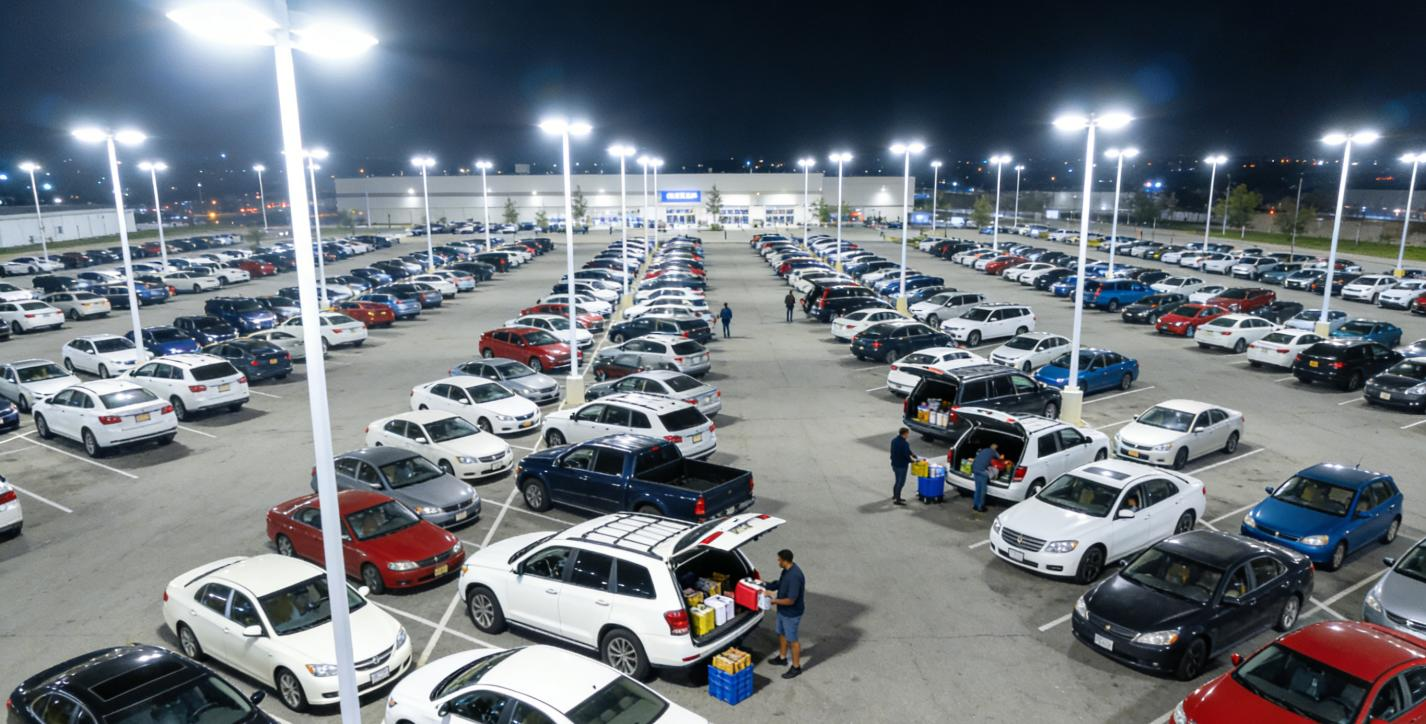
Parking lots, warehouses, campuses, and industrial facilities are all commercial properties that rely on the effective installation of LED Area lights to ensure safety and continuity of operations. Not only is it a way of protecting your investment, but it is also a way of building in partnership with your LED Area Light manufacturer to achieve better project results.
Incorrect Planning and Site Assessment
There are numerous installation issues that start even prior to the mounting of the first installation. The inadequate planning and incomplete analysis of the site may lead to uneven lighting, compliance problems, and increased operating expenses.
Ignoring Proper Lighting Layout Design
The most common error is the failure to carry out a professional photometric analysis before installation. Unless proper computations are done, the LED light placement can result in dark areas or over-glare.
The collaboration with an established manufacturer of LED lights during the design phase will allow for getting the best spacing, mounting height, and choice of beam angle. The layout should be well thought out to enhance consistency and minimize the number of fixtures to be used.
Overlooking Mounting Height Requirements
The height of the mounting has a direct influence on the distribution of light and brightness. The problem with installing the fixtures too low is that this will cause glare, and too high will decrease ground-level illumination.
The recommended installation heights of each model of LED lights are dependent on both wattage and beam angle. These specs are important to consider as they may jeopardize safety and performance.
Failing to Consider Environmental Conditions
Outdoor conditions pose problems like wind, rain, dust, and extreme temperatures. The choice of fixtures that are not based on an assessment of IP ratings and temperature tolerance may end up reducing lifetime.
Companies need to ensure that they are environmentally compatible with their manufacturer of LED lights before choosing the final product. This makes it durable in hard commercial use.
Electrical and Wiring Mistakes
Installation of LED lights may result in flickering, early failure, or even safety risks due to electrical errors. Most of these problems can be related to improper wiring or a lack of protection.
Improper Voltage Matching
Among the most serious errors is the connection of fixtures to a voltage supply that cannot fit. The Area Light systems used commercially may have a wide range of voltages, although if not configured correctly, they may destroy drivers.
Voltage should be checked before installation. Technical documentation of the LED Area Light manufacturer avoids the expensive electrical failures.
Poor Grounding Practices
Electrical safety and surge protection are impossible without grounding. Poor grounding increases the threat of shocks and damage to equipment. Make sure that every single device is wired to a well-worth grounding system, particularly in a huge business car park or factory.
Skipping Surge Protection
The installation of Outdoor LED lights is prone to lightning-induced power surges or grid fluctuations. Internal devices like drivers may fail too soon without the use of surge-protecting devices. Key electrical protection measures include:
- Installing surge protectors rated for outdoor lighting
- Verifying stable voltage supply
- Inspecting wiring insulation quality
These measures largely increase the life of the fixtures and save on maintenance expenses.
Mechanical Installation Errors
Even the quality of goods, even of a renowned manufacturer of LED lights, may perform poorly when mechanical installation is done improperly. Structural integrity and proper mounting techniques are critical for long-term reliability.
Using Inadequate Mounting Hardware
Some installers use old brackets or use hardware not rated for the outdoor environment. The faulty mounting systems can cause misalignment of the fixtures or collapse in high wind regions. Always apply brackets and corrosion-resistant hardware that have been tested by the manufacturer so as to be stable and meet the required safety standards.
Incorrect Fixture Alignment
The misalignment may cause glare, illumination trespass, and inequality of illumination. This is especially troublesome in commercial parking lots where sight is very important. Proper lining means that the light should be focused on the areas of interest without causing inconvenience to the drivers or pedestrians.
Neglecting Thermal Management Considerations
Even though LED light fixtures produce less heat compared to traditional lighting, they need sufficient air circulation. The life can be decreased by installing fixtures in enclosed areas or by covering heat sinks. To maintain proper thermal performance:
- Leave sufficient clearance around heat sinks
- Avoid enclosing fixtures without ventilation
- Follow mounting orientation guidelines
Effective airflow ensures that the internal parts are not damaged and that there is constant brightness.
Post-Installation Oversights
Installation is not stopped when the lights are switched on. Most businesses ignore testing, inspection, and documentation procedures that are vital to long-term performance.
Skipping Functional Testing
Once the installation is completed, every LED light must be verified in terms of the steady brightness, stability, and coverage. The option not to test could result in the concealment of wiring errors or faulty parts. Testing is used to ascertain that the system is functioning as intended and that it passes commercial safety standards.
Ignoring Maintenance Planning
Durable LED systems need cleaning and inspection even after a certain period of time. The absence of a maintenance schedule will also lead to reduced output over time due to the build-up of dirt and exposure to the environment. The companies must also implement preventive maintenance schedules with their LED Area Light supplier to achieve the best outcome.
Failing to Document Installation Details
Wiring diagrams, fixture models, and installation dates should be properly documented to make it easy to maintain or upgrade in the future. Absence of records may delay the processes of troubleshooting and raise service expenses. Keeping well-arranged documentation helps in claims of warranty and enhances communication with the manufacturer of LED lights.
Choosing the Wrong LED Area Light Manufacturer
Some of the installation errors are caused by the choice of untrustworthy suppliers. Collaboration with a leader in the manufacture of LED Area lights would guarantee good quality products, technical assistance, and certification of compliance. Important factors when evaluating a manufacturer include:
- Verified product certifications and testing reports
- Proven commercial project experience
- Clear warranty and after-sales service policies
A reputable LED light manufacturer provides installation guidance, reducing the risk of costly errors.
FAQs
The most common errors are improper planning and the wrong height of mounting. These problems are associated with uneven lighting and glare.
Surge protection eliminates possible damage from lightning or grid instability. The lack of it can cause premature failure of drivers and internal parts.
Your layout should be guided by your LED Area Light manufacturer, and they should be employed to install the lights. After installation, it is also necessary to test extensively.
Proper LED Area Light installation is just as important as selecting high-quality fixtures. Avoiding common planning, electrical, and mechanical mistakes ensures better performance, longer lifespan, and improved safety for commercial properties.
By collaborating closely with a trusted LED Area Light manufacturer, businesses can minimize risks and maximize return on investment. Careful planning, professional installation, and routine maintenance create a reliable lighting system that supports productivity and security for years to come.