


Lampade LED per capannoni industriali vs lampade per capannoni industriali: qual è la differenza?
La scelta tra un'illuminazione a LED per ambienti industriali ad alta e bassa altezza può avere conseguenze significative in termini di luminosità, efficienza e sicurezza. Sebbene entrambe siano adatte a grandi spazi interni, esistono differenze sostanziali nelle applicazioni, nell'altezza di montaggio e nelle caratteristiche prestazionali.
La conoscenza di queste differenze aiuta i gestori di impianti, gli appaltatori e gli imprenditori a compiere scelte consapevoli che massimizzino la qualità dell'illuminazione e il risparmio energetico. In questa guida, analizzeremo il confronto tra le lampade a LED per capannoni industriali e quelle per capannoni industriali in termini di design, prestazioni e situazioni ottimali di utilizzo.
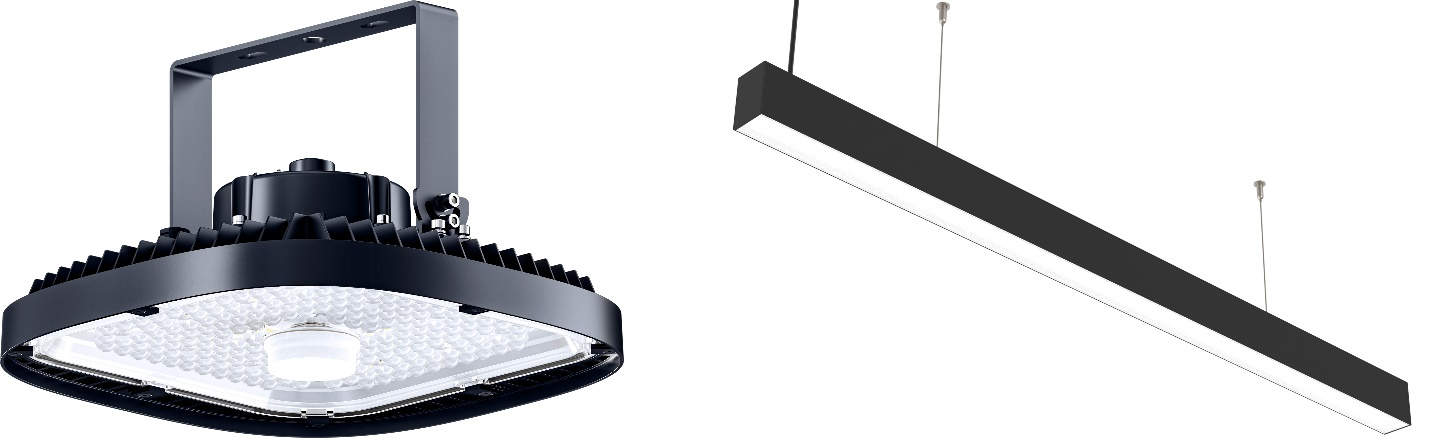
Comprendere le luci LED ad alta baia
L'illuminazione a LED per ambienti industriali è stata progettata specificamente per aree con soffitti alti e ampi spazi verticali. È realizzata per fornire una luce direzionale intensa anche ad altezze di montaggio elevate, senza compromettere la luminosità o l'efficacia.
Altezza di montaggio tipica
Le lampade ad alta baia vengono utilizzate principalmente in aree in cui il soffitto è alto 20 piedi o più. Questi sistemi di illuminazione sono solitamente utilizzati nei magazzini, Produttore di lampade LED ad alta baia Impianti, palestre e centri di distribuzione per fornire un'illuminazione adeguata a livello del suolo. Essendo montati più in alto, gli apparecchi di illuminazione a LED High Bay hanno fasci luminosi stretti che possono dirigere la luce verso il basso e quindi utilizzare la luce in modo efficace.
Potenza luminosa e intervallo di lumen
La produzione di lumen delle lampade per capannoni industriali è significativamente superiore a quella delle lampade per capannoni industriali. Possono raggiungere i 15.000-50.000 lumen o anche di più, a seconda del modello, per garantire una luminosità costante anche a grandi distanze. Questa elevata produzione di lumen le rende adatte ad ambienti in cui visibilità, produttività e sicurezza sono prioritarie.
Tipologie di design comuni
Le lampade a LED per capannoni industriali sono disponibili in diverse configurazioni strutturali per adattarsi a svariate applicazioni. I tipi più comuni includono:
- Lampade a sospensione UFO: apparecchi compatti e circolari, ideali per magazzini e fabbriche.
- Lampade lineari per capannoni industriali: apparecchi rettangolari adatti all'illuminazione di corridoi e spazi commerciali.
- Sistemi modulari per soffitti alti: unità flessibili progettate per grandi installazioni industriali.
I progetti prevedono diverse distribuzioni del fascio luminoso e tecniche di installazione per adattarsi all'ambiente.
Comprendere le luci a bassa baia
Gli apparecchi di illuminazione per ambienti a bassa altezza sono progettati per adattarsi ad aree con soffitti bassi che non richiedono un'elevata emissione luminosa. Queste luci non necessitano di abbagliamento eccessivo né di sprechi di energia.
Altezza di montaggio tipica
Le lampade a sospensione per ambienti a bassa altezza vengono solitamente installate in soffitti con un'altezza compresa tra 3,6 e 6 metri. Sono adatte per negozi, officine, garage e piccoli magazzini. La minore altezza di montaggio richiede angoli di fascio luminoso maggiori per distribuire la luce in modo uniforme ed evitare punti di eccessiva luminosità.
Distribuzione e copertura della luce
A differenza delle lampade a LED per ambienti a bassa altezza, le lampade low bay non concentrano la luce verso il basso, bensì diffondono il fascio luminoso su un'area più ampia. Questo garantisce anche un maggiore comfort visivo per i lavoratori o i clienti che si trovano più vicini all'apparecchio. I sistemi low bay tendono a fornire un'illuminazione uniforme, ad eccezione della luce diretta verso l'alto.
Considerazioni sul consumo energetico
Le lampade per ambienti a bassa altezza consumano generalmente meno energia rispetto ai sistemi per ambienti ad alta altezza, grazie al basso wattaggio richiesto. Tuttavia, la scelta appropriata di un apparecchio specifico si basa sull'altezza e sulle dimensioni del soffitto e non solo sul wattaggio. I fattori chiave che influenzano le prestazioni energetiche includono:
- Selezione della potenza in base all'altezza di montaggio
- Progettazione dell'angolo del fascio per una copertura uniforme
- Utilizzo di sistemi di regolazione dell'intensità luminosa o di controllo intelligente
La scelta del tipo sbagliato può comportare un'illuminazione insufficiente o un consumo energetico non necessario.
Principali differenze tra lampade LED per capannoni industriali (High Bay) e per capannoni industriali (Low Bay).
Sebbene entrambe siano utilizzate per soddisfare i requisiti dell'illuminazione commerciale, esistono diversi aspetti delle loro specifiche e dei loro utilizzi che differiscono in modo quantificabile. Comprendere queste differenze permetterà al sistema di illuminazione di rispecchiare le proprietà fisiche dello spazio.
Differenze di prestazioni e di applicazione
Un sistema di illuminazione per ambienti a soffitto alto fornisce una luce concentrata su un soffitto alto, mentre un sistema di illuminazione per ambienti a soffitto basso diffonde la luce su una distanza verticale più breve. Installare un sistema di illuminazione per ambienti a soffitto basso in uno spazio con soffitto alto potrebbe comportare una scarsa luminosità e la formazione di ombre. D'altro canto, posizionare un sistema di illuminazione a LED per ambienti a soffitto alto in un piccolo spazio con soffitto basso potrebbe causare abbagliamento e spreco di energia.
Requisiti di installazione e manutenzione
A causa della loro altezza, gli apparecchi per capannoni industriali necessitano di speciali staffe di montaggio, catene o supporti a sospensione. Alcuni interventi di manutenzione possono anche richiedere l'utilizzo di piattaforme elevatrici per garantire la sicurezza. Gli apparecchi per capannoni industriali, invece, grazie alla loro posizione ribassata, sono facili da installare e manutenere.
Confronto tra i due a colpo d'occhio
Per illustrare chiaramente le distinzioni, la tabella seguente evidenzia le principali differenze tra i sistemi di illuminazione a LED per ambienti industriali ad alta e bassa altezza:
Caratteristica | Lampada LED ad alta baia | Lampada a sospensione bassa |
Altezza ideale del soffitto | 20 piedi e oltre | 12–20 piedi |
Flusso luminoso tipico | 15.000–50.000+ lumen | 4.000–15.000 lumen |
Angolo del fascio | Da stretto a medio | Largo |
Applicazioni principali | Magazzini, fabbriche, palestre | Negozi al dettaglio, officine, garage |
Consumo energetico | Potenza più elevata, alta efficienza | Potenza inferiore |
Rischio di abbagliamento | Alto se installato troppo in basso | Minimo all'altezza corretta |
Complessità dell'installazione | Da moderato ad alto | Da basso a moderato |
Questo confronto dimostra che l'altezza del soffitto è il fattore più critico nella scelta tra le due opzioni.
Come scegliere l'opzione giusta per il tuo spazio?
La scelta tra illuminazione per capannoni industriali e illuminazione per capannoni industriali dipende dalla configurazione fisica e dai requisiti operativi, nonché dagli obiettivi energetici a lungo termine del vostro impianto. Una valutazione efficace aiuta a evitare sprechi di luce e aggiornamenti non necessari.
Valutare prima l'altezza del soffitto
La prima e più importante cosa da fare è misurare con precisione l'altezza del soffitto. Nel caso di soffitti superiori a 6 metri, la soluzione ideale è spesso una lampada LED High Bay. Per soffitti più bassi, le lampade Low Bay solitamente forniscono un'illuminazione adeguata senza eccessivi accorgimenti.
Considerare le attività operative
I vari contesti richiedono intensità luminose differenti. Il settore della produzione di lampade LED per capannoni industriali potrebbe necessitare di una luce più brillante e focalizzata per lavori di precisione, mentre in un ambiente di vendita al dettaglio è fondamentale garantire un'illuminazione adeguata e visibile. Un'illuminazione appropriata all'attività operativa assicura sicurezza e produttività.
Piano per la scalabilità futura
Nel caso in cui la vostra struttura preveda un ampliamento o una riprogettazione, assicuratevi di scegliere un sistema flessibile. Un cambio di layout può essere gestito più facilmente con sistemi modulari per soffitti alti o apparecchi per soffitti bassi regolabili. Importanti considerazioni in fase di pianificazione includono:
- Integrazione con sensori di movimento o sistemi di sfruttamento della luce naturale
- Facilità di sostituzione o aggiornamento degli apparecchi
- accesso per manutenzione a lungo termine
La scelta dell'illuminazione può comportare un notevole risparmio sui costi operativi a lungo termine, se basata su un approccio strategico.
FAQ
Sì, un buon numero di modelli di lampade per capannoni industriali può essere utilizzato con sistemi di regolazione dell'intensità luminosa e controlli intelligenti. Ciò migliora l'efficienza energetica e consente la personalizzazione dell'illuminazione.
Ciascuno di essi può essere molto efficace se installato correttamente. L'efficienza dipende dal corretto utilizzo, non dal semplice impiego di uno dei due tipi.
La scelta tra una lampada a LED per ambienti industriali (High Bay Light) e una per ambienti industriali (Low Bay Light) non si basa solo sulla luminosità, ma anche sull'idoneità dello strumento all'ambiente di utilizzo. Tutti i sistemi di illuminazione sono progettati per soddisfare specifiche altezze del soffitto e requisiti di utilizzo, e questa differenza garantisce prestazioni ottimali.
Tenendo conto di fattori ragionevoli come l'altezza di montaggio, la distribuzione della luce e le esigenze operative, le aziende saranno in grado di progettare spazi più sicuri ed efficienti dal punto di vista energetico.