


LED High Bay Luucht vs. Low Bay Luucht: Wat ass den Ënnerscheed?
D'Entscheedungen, ob eng LED High Bay Luucht oder eng Low Bay Luucht installéiert soll ginn, kënne sech staark ënnerscheeden wat d'Hellegkeet, d'Effizienz an d'Sécherheet vun Ärem kommerziellen oder industrielle Beräich ugeet. Och wann béid fir grouss Indoor-Ëmfeld gëeegent sinn, gëtt et bedeitend Ënnerscheeder an den Uwendungen vun dësen zwou, der Montagehéicht an hire Leeschtungseigenschaften.
D'Wëssen iwwer dës Ënnerscheeder hëlleft de Facility Manager, Entreprisen a Geschäftsbesëtzer, informéiert Entscheedungen ze treffen, déi d'Qualitéit vun der Beliichtung an d'Energieerspuerung maximéieren. An dësem Guide wäerte mir de Verglach vun den LED High Bay an Low Bay Luuchten a punkto Design, Leeschtung an déi bescht Situatiounen, an deenen se kënne benotzt ginn, diskutéieren.
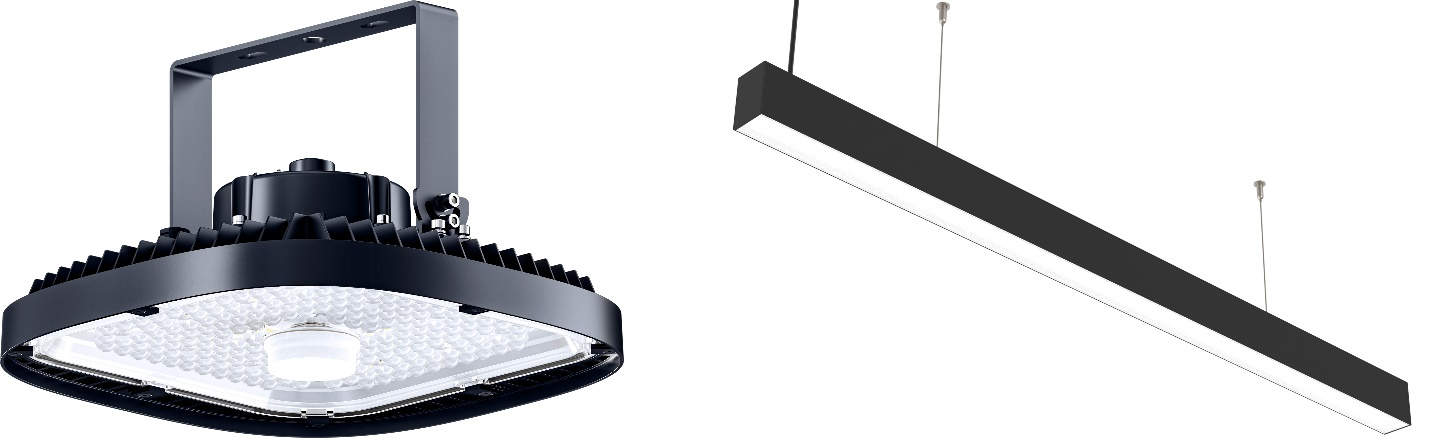
LED High Bay Luuchten verstoen
LED-Héichbuchtbeliichtung gouf speziell fir Beräicher mat héije Plafongen a grousse vertikale Flächen entwéckelt. Si ass sou konstruéiert, datt se e staarkt geriicht Liicht op héijen Héichten liwwert, ouni d'Hellegkeet oder d'Effizienz ze kompromittéieren.
Typesch Montagehéicht
Héichbuchtluuchten ginn haaptsächlech a Beräicher benotzt, wou d'Plafong 20 Fouss oder méi héich ass. Dës Beliichtungssystemer ginn normalerweis a Lagerhaiser benotzt, LED Héichbucht Luucht Hiersteller Planzen, Turnhallen a Verdeelungszentren, fir eng adäquat Beliichtung um Buedem ze garantéieren. Well se méi héich montéiert sinn, hunn d'LED High Bay Luuchten schmuel Stralen, déi d'Liicht no ënnen riichten an doduerch d'Liicht effektiv notzen.
Liichtleistung a Lumenberäich
D'Lumenproduktioun vun Héichbay-Luuchten ass däitlech méi héich wéi d'Leeschtung vun Niddregbay-Luuchten. Si kënnen 15.000-50.000 Lumen oder souguer méi sinn, jee no Modell, fir sécherzestellen, datt d'Hellegkeet iwwer grouss Distanzen konstant bleift. Dës grouss Lumenproduktioun mécht se gëeegent fir Plazen, wou Siicht, Produktivitéit a Sécherheet vun Haaptprioritéit sinn.
Gemeinsam Designtypen
LED-Héichbuchtluuchten sinn a verschiddene Strukturdesignen verfügbar, fir verschidden Uwendungen gerecht ze ginn. Déi heefegst Zorten sinn:
- UFO Héichbuchtluuchten: Kompakt, kreesfërmeg Armaturen, ideal fir Lagerhaiser a Fabriken.
- Linear Héichbuchtluuchten: Rechteckeg Armaturen, déi fir Gangbeliichtung a Geschäftsraim gëeegent sinn.
- Modular Héichbuchtsystemer: Flexibel Eenheeten, déi fir grouss industriell Installatiounen entwéckelt sinn.
D'Entwërf hunn ënnerschiddlech Balkeverdeelungen an Installatiounstechniken, fir der Ëmwelt ugepasst ze sinn.
Low Bay Luuchten verstoen
Déi niddreg Bay-Luuchten sinn entwéckelt fir Beräicher mat méi niddrege Plafongen ze passen an net ganz héije Lumenaustausch erfuerderen. Dës Luuchten erfuerderen keng exzessiv Blendung oder Energieverschwendung.
Typesch Montagehéicht
Déifbauluuchten ginn normalerweis a Raim mat enger Plafongshéicht vun 12 bis 20 Fouss installéiert. Si kënnen a Geschäfter, Atelieren, Garagen a klenge Lagerhaiser benotzt ginn. Eng méi kleng Montagehéicht erfuerdert méi grouss Strahlwénkelen, fir d'Liicht gläichméisseg ze verdeelen an ze hell Flecken ze vermeiden.
Liichtverdeelung an Ofdeckung
Déi niddreg Buchtluuchten, am Géigesaz zu LED Héichbuchtluuchten, konzentréiere sech net op no ënnen geriichte Stralen, well se sech op eng méi breet Verbreedung vum Liicht konzentréieren. Dëst bitt och visuelle Komfort, wou d'Mataarbechter oder d'Clienten méi no bei der Armatur sinn. Déi niddreg Buchtluuchten tendéieren dozou, sech op eng gläichméisseg Beliichtung ze konzentréieren, anescht wéi déi héchst Beliichtung.
Iwwerleeungen zum Energieverbrauch
Low-Bay-Luuchten verbrauchen normalerweis manner Liicht wéi High-Bay-Luuchten, well se manner Watt brauchen. Trotzdeem baséiert déi richteg Auswiel vun enger spezifescher Armatur op der Héicht an der Gréisst vun der Plafong a net nëmmen op der Wattleistung. Schlësselfaktoren, déi d'Energieleistung beaflossen, sinn:
- Auswiel vun der Wattzuel baséiert op der Montagehéicht
- Strahlwénkeldesign fir eng eenheetlech Ofdeckung
- Benotzung vun Dimm- oder intelligente Kontrollsystemer
D'Wiel vum falschen Typ kann zu Ënnerbeliichtung oder onnéidegem Energieverbrauch féieren.
Schlësselunterschiede tëscht LED High Bay an Low Bay Luuchten
Obwuel béid benotzt gi fir d'Ufuerderunge vun der kommerzieller Beliichtung ze erfëllen, ginn et verschidden Aspekter vun hire Spezifikatiounen an Uwendungen, déi ënnerschiddlech a quantifizéierbar sinn. Wann een dës Ënnerscheeder kennt, wäert d'Beliichtungssystem déi physikalesch Eegeschafte vum Raum reflektéieren.
Ënnerscheeder an der Leeschtung an der Uwendung
Eng Héichbay-Luucht liwwert e fokusséiert Liicht op eng héich Plafong, während eng niddreg Bay-Luucht d'Liicht iwwer eng méi kuerz vertikal Distanz verdeelt. D'Installatioun vun enger niddreger Bay-Luucht an engem Raum mat héijer Plafong kéint zu enger gerénger Hellegkeet a Schied féieren. Op der anerer Säit kann d'Plazéierung vun enger LED-High Bay-Luucht an engem klenge Raum mat niddereger Plafong zu Blendung an Energieverschwendung féieren.
Ufuerderunge fir d'Installatioun an d'Ënnerhalt
Hir Héicht verursaacht, datt Héichbuchtarmaturen speziell Montagebühren, Ketten oder Hängehalterungen brauchen. E puer Ënnerhaltsaarbechten kënnen och Lifter enthalen, fir sécher Servicer auszeféieren. Déifbuchtarmaturen kënnen einfach installéiert a gepflegt ginn, wéinst hirer niddreger Positioun.
E Bléck op déi zwee
Fir d'Ënnerscheeder kloer ze illustréieren, weist déi folgend Tabelle déi wichtegst Ënnerscheeder tëscht LED High-Bay- a Low-Bay-Beliichtungssystemer:
Fonktioun | LED Héichbucht Liicht | Niddereg Bucht Liicht |
Ideal Plafongshéicht | 20 Fouss an driwwer | 12–20 Fouss |
Typesch Lumenleistung | 15.000–50.000+ Lumen | 4.000–15.000 Lumen |
Strahlwénkel | Schmuel bis mëttel | Breet |
Primär Uwendungen | Lagerhale, Fabriken, Fitnessstudioen | Geschäfter, Atelieren, Garagen |
Energieverbrauch | Méi héich Watt, héich Effizienz | Méi niddreg Wattzuel |
Blendungsrisiko | Héich wann ze niddreg installéiert | Minimal op der richteger Héicht |
Installatiounskomplexitéit | Mëttel bis héich | Niddreg bis mëttel |
Dëse Verglach weist, datt d'Plafongshéicht de wichtegste Faktor ass, wann een tëscht den zwou Optiounen wielt.
Wéi wielt Dir déi richteg Optioun fir Äre Raum?
D'Wiel tëscht der Beliichtung vun der Héichbucht an der Nidderbucht hänkt vum physesche Layout an den operationelle Bedierfnesser of, souwéi vun den Energieziler vun Ärer Anlag op laang Siicht. Eng effektiv Evaluatioun hëlleft, Verschwendung vun der Beliichtung an Upgrades ze vermeiden, déi ni néideg wieren.
Als éischt d'Héicht vun der Plafong evaluéieren
Déi wichtegst an éischt Saach, déi Dir maache musst, ass d'Plafongshéicht präzis ze moossen. Am Fall vun Decken iwwer 20 Fouss ass déi richteg Léisung dacks eng LED High Bay Luucht. A Plafongen, déi méi niddreg sinn, bidden Low-Bay Luuchten normalerweis eng adäquat Beliichtung ouni exzessiv Kompensatioun.
Betruecht operationell Aktivitéiten
Déi verschidden Astellungen erfuerderen ënnerschiddlech Liichtintensitéiten. De Secteur vun den Hiersteller vun LED-Héichbuchtluuchten brauch eventuell e méi hellt, méi fokusséiert Liicht fir präzis Aarbecht ze maachen, an de Geschäftsëmfeld muss duerch d'Liicht effizient gesi ginn. Den ugepassten Beliichtungstyp vun der Operatioun garantéiert d'Sécherheet an d'Produktivitéit.
Plang fir zukünfteg Skalierbarkeet
Wann Är Ariichtung eng Erweiderung oder eng Neigestaltung maache muss, gitt sécher datt Dir e flexibles System wielt. Eng Layoutännerung kann méi einfach a modulare Héichbuchtsystemer oder justierbaren Déifbucht-Armaturen ugepasst ginn. Wichteg Planungsaspekter sinn:
- Integratioun mat Bewegungssensoren oder Dagesliicht-Erntesystemer
- Einfachheet vum Ersatz oder Upgrades vun Armaturen
- Zougang zu laangfristegem Ënnerhalt
D'Wiel vun der Beliichtung kann op laang Siicht däitlech Betribskäschte spueren, baséiert op engem strategeschen Usaz zu dëser Wiel.
FAQ
Jo, eng gutt Zuel vun Héichbau-Modeller kënne mat Dimmsystemer a Smart Controls benotzt ginn. Dëst verbessert d'Energieeffizienz an erméiglecht d'Personaliséierung vun der Beliichtung.
Jidderee vun hinnen kann ganz effektiv sinn, wa se richteg installéiert sinn. D'Effizienz baséiert op der korrekter Notzung am Géigesaz zu der Benotzung vun nëmmen enger vun dësen Zorten.
D'Entscheedung, ob een eng LED High Bay Luucht oder eng Low Bay Luucht soll hunn, hänkt net nëmmen vun der Hellegkeet of, mä och vum passenden Tool, deen an der entspriechender Ëmwelt benotzt gëtt. All Beliichtungssystemer sinn entwéckelt fir spezifesch Plafongshéichten an Ufuerderungen ze erfëllen, an dësen Ënnerscheed garantéiert eng maximal Leeschtung.
Ënner Berécksiichtegung vun der Montagehéicht, der Liichtverdeelung an den operationelle Bedierfnesser kënnen d'Betriber méi sécher a méi energieeffizient Raimlechkeeten gestalten.